


Editorial by Sarah Lawson
Most people assume their shower water is safe because it comes from municipal treatment facilities. However, what many don't realize is that tap water often contains ammonia and chloramines-chemical compounds created when chlorine reacts with organic matter during water treatment. These volatile organic compounds (VOCs) are particularly problematic in the shower environment, where heat causes them to vaporize and penetrate deeper into your skin and hair than in any other part of your home.
The irony is stark: the very chemicals added to make water safe to drink become health hazards when you shower. Unlike drinking water, which passes through your mouth and stomach with protective barriers, shower water comes into direct contact with your largest organ-your skin-for extended periods. When ammonia and chloramines combine with the moisture and heat of your shower, they strip natural oils, disrupt the skin barrier, and leave hair brittle and discolored. This is why many people experience worsening skin conditions, persistent itching, and hair damage despite using expensive skincare and haircare products.

Understanding Ammonia and Chloramines in Your Shower Water
Ammonia enters municipal water systems in two ways: directly from industrial discharge or naturally during water treatment processes. Chloramines form when chlorine reacts with ammonia and nitrogen-containing organic matter. Water treatment facilities use chloramines as a secondary disinfectant precisely because they persist longer in the water system than free chlorine alone. While this extended disinfection helps eliminate pathogens during transport, it also means chloramines remain in your shower water at concentrations far higher than free chlorine.
The problem intensifies in hot water. When you shower, water temperature typically ranges between 40-45°C (104-113°F). At these temperatures, chloramines and ammonia volatilize rapidly-meaning they transform from liquid to gas and become airborne. You inhale these gases, and they penetrate your skin more efficiently than in cold water. Studies show that the ammonia and chloramine exposure during a typical 10-minute shower is equivalent to the daily exposure someone might receive from drinking treated water for an entire week.
Your hair and skin suffer visible consequences. Ammonia and chloramines denature the keratin protein that gives hair its strength and shine. They oxidize the melanin in hair, causing color fading and premature graying. On skin, these chemicals disrupt the skin barrier function by damaging lipids and proteins, leading to increased transepidermal water loss (TEWL). This is why you notice dryness, flakiness, sensitivity, and accelerated aging even if you use moisturizers religiously.
Why Standard Shower Filters Fall Short
Not all shower filters address ammonia and chloramines effectively. Basic carbon filters, while good at removing chlorine taste and odor from drinking water, don't necessarily filter chloramines-the more stable compound. Many single-stage filters reduce some contaminants but miss the complex chemical profile of modern tap water. This is where multi-stage filtration becomes essential for comprehensive protection.
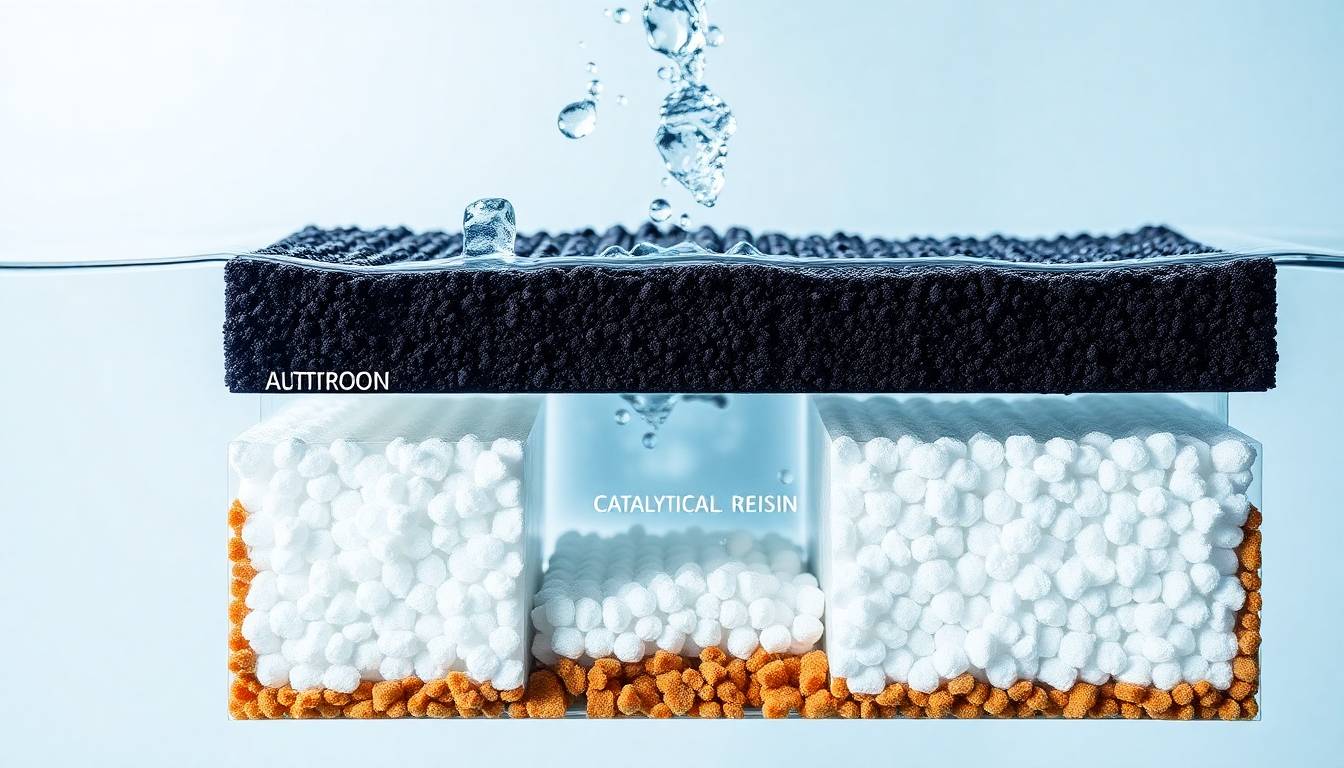
A truly effective shower filter must use multiple filtration stages designed specifically to address different contaminant types. The first stage typically uses high-density activated carbon to trap chlorine and organic compounds. The second stage might employ ion exchange resins to soften water and remove heavy metals. The third stage often includes catalytic media that breaks down chloramines specifically-converting them into chloride ions that don't damage hair and skin. Some advanced systems add a final stage with KDF (kinetic degradation fluxion) media to eliminate additional heavy metals and microorganisms.
The Real Impact on Your Skin and Hair Health
When you eliminate ammonia and chloramines from your shower water, the changes are often dramatic. Within one to two weeks of using properly filtered shower water, people typically report smoother, less irritated skin. Within three to four weeks, noticeable improvements appear: reduced redness, fewer breakouts, improved skin texture, and restored natural radiance. Hair improvements follow a similar timeline-color-treated hair regains vibrancy, natural hair regains shine and manageability, and hair breakage decreases significantly.
Beyond cosmetic improvements, removing ammonia and chloramines provides measurable health benefits. People with sensitive skin conditions like eczema, psoriasis, and dermatitis often experience substantial relief. Those with color-treated or chemically processed hair notice reduced damage and extended color longevity. Even your scalp health improves-many people discover that persistent dandruff and scalp irritation resolve simply by filtering these chemicals from their shower water.
Multi-Stage Filtration Benefits
- Ammonia and Chloramine Removal: Advanced catalytic filtration stages specifically break down chloramines and eliminate ammonia, protecting hair and skin from chemical oxidation and protein denaturation.
- Heavy Metal Elimination: Iron, lead, cadmium, and other heavy metals accumulate in tap water from aging pipes. Multi-stage filters remove these toxins that accelerate skin aging and damage hair structure.
- Microplastic Filtration: Modern shower filters capture microplastics shed from synthetic materials in water systems, preventing their absorption through skin and into the bloodstream.
- Limescale Prevention: Ion exchange and softening stages remove calcium and magnesium that cause limescale buildup-minerals that clog pores, dull hair, and accelerate skin aging.
- Water Softening: Reduced mineral hardness means water rinses more effectively from hair and skin, improving the efficiency of your shower and reducing product buildup.
- Preserved Natural pH: Multi-stage filtration maintains water's natural pH balance rather than creating overly acidic or alkaline conditions that damage the skin barrier.
- Reduced Water Consumption: Properly filtered water performs better, meaning you need less water to achieve the same cleansing results-lowering your water bills and environmental impact.
- Healthier Hair Appearance: Without chloramine-induced oxidation, hair color lasts longer, texture improves, and natural shine returns without relying on expensive styling products.
- Skin Barrier Restoration: Removing harsh chemicals allows your skin's natural protective barrier to rebuild, reducing sensitivity, dryness, and the need for extensive skincare routines.
- Long-Term Anti-Aging Benefits: Continuous exposure to filtered water prevents the oxidative stress and mineral accumulation that accelerate visible skin aging signs like wrinkles and loss of elasticity.

Making the Switch to Filtered Shower Water
The transition to filtered shower water is straightforward. Most multi-stage filters install directly onto your existing shower head with no plumbing modifications required. Installation typically takes fewer than five minutes. The only ongoing maintenance is replacing the filter cartridge when it becomes saturated-usually every four to six months depending on your water quality and usage patterns.
Many people are surprised how quickly they notice improvements once they stop exposing their skin and hair to ammonia and chloramines daily. The cumulative damage from months and years of chemical exposure reverses faster than you'd expect. Your skin hydration improves, your hair texture transforms, and you realize how much of your previous skincare and haircare struggles stemmed directly from contaminated water rather than the product choices you were making.
Investing in advanced multi-stage shower filtration is investing in your largest organ and your appearance. By removing the daily chemical assault that ammonia and chloramines represent, you create the ideal conditions for your skin and hair to achieve their natural best-radiant, healthy, and resilient. Combined with reduced water consumption, this makes filtered showering a win for both your personal wellness and environmental responsibility.
