


Editorial by James Whitfield
Your shower head might be harboring more than just water. Inside the nozzles and chambers of most standard shower heads, a biofilm of bacteria, fungi, and microorganisms thrives in the warm, moist environment. This invisible ecosystem includes dangerous pathogens like Legionella pneumophila and Mycobacterium avium, which can compromise your skin barrier, trigger infections, and cause respiratory issues with every shower you take. Most people never consider that the water flowing over their skin and hair could be introducing harmful microorganisms that weaken immunity and accelerate skin aging.
The problem intensifies because tap water itself often contains bacteria from aging municipal pipes, treatment plant residue, and biofilm buildup in distribution systems. When this contaminated water flows through your standard shower head-which typically lacks filtration-the warm temperature activates bacterial colonies. These pathogens directly damage your skin's protective barrier, trigger inflammation, create conditions for acne and dermatitis, and can lead to infections if you have cuts or compromised skin. Beyond visible skin damage, waterborne bacteria contribute to systemic inflammation that accelerates aging from within. Understanding how these contaminants reach your skin is the first step toward protecting your body's largest organ.
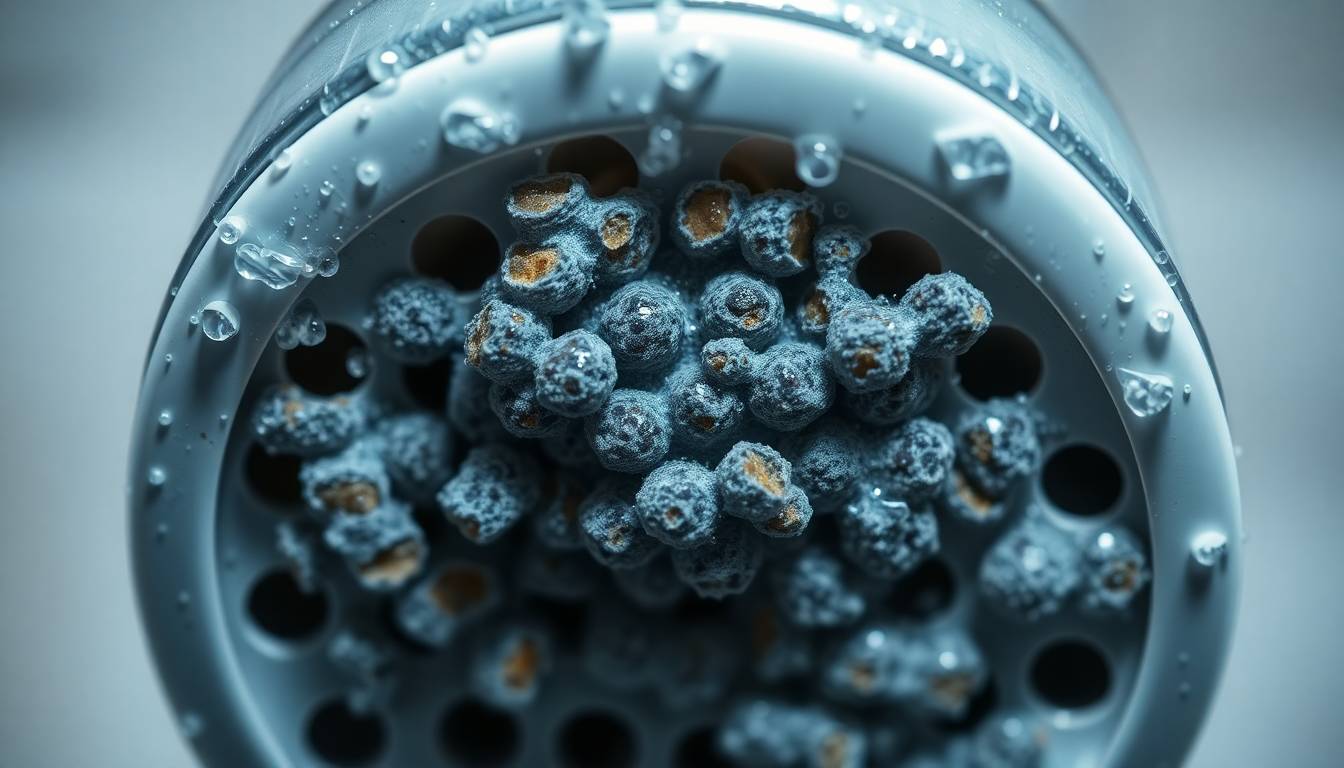
How Bacteria and Pathogens Accumulate in Your Shower
Shower heads create the perfect environment for bacterial proliferation. The combination of warm water (98-104°F), stagnant water in the nozzle chamber, nutrient availability from organic compounds in tap water, and constant moisture creates conditions where bacteria double every 20-30 minutes. Over weeks and months, thick biofilm layers develop-visible as black, pink, or brown slime inside shower heads. This biofilm doesn't just sit passively; it actively sheds bacteria-laden particles into the water spray that directly contacts your skin.
Municipal water treatment removes many pathogens, but it cannot eliminate all bacteria, and recontamination occurs during distribution through aging pipes. Studies have found that up to 60% of shower water samples contain Legionella, a bacterium that causes Legionnaires' disease and can trigger severe respiratory infections. Additionally, non-tuberculous Mycobacterium species thrive in shower environments and cause skin and soft tissue infections, particularly in people with compromised immune systems or existing skin conditions.
The bacterial load in your shower water intensifies during summer months when pipes are warmer, after extended periods without shower use when stagnant water promotes bacterial growth, and in older homes with corroded pipes that provide surfaces for biofilm attachment. Even a seemingly clean shower head can contain dangerous microbial populations invisible to the naked eye.
The Skin Damage Caused by Waterborne Pathogens
When bacteria from your shower water contact your skin, they trigger multiple damaging processes. First, pathogenic bacteria directly invade hair follicles and sweat glands, causing folliculitis-painful inflammation that appears as red bumps and pustules. Second, bacterial lipopolysaccharides (LPS) activate immune responses that create systemic inflammation visible as redness, sensitivity, and accelerated aging. Third, opportunistic pathogens exploit any microscopic cuts or compromised areas of your skin barrier, leading to infections that can become serious if left untreated.
For people with eczema, psoriasis, acne, or sensitive skin, waterborne bacteria trigger severe flare-ups and inflammation. The bacterial endotoxins damage the tight junctions that form your skin barrier, increasing transepidermal water loss (TEWL) and causing dryness, sensitivity, and accelerated aging. Hair follicles become infected, leading to folliculitis, increased hair loss, and weakened hair structure. The combination of bacterial damage and the inflammatory response creates visible skin aging through collagen breakdown, reduced elasticity, and accelerated wrinkle formation.
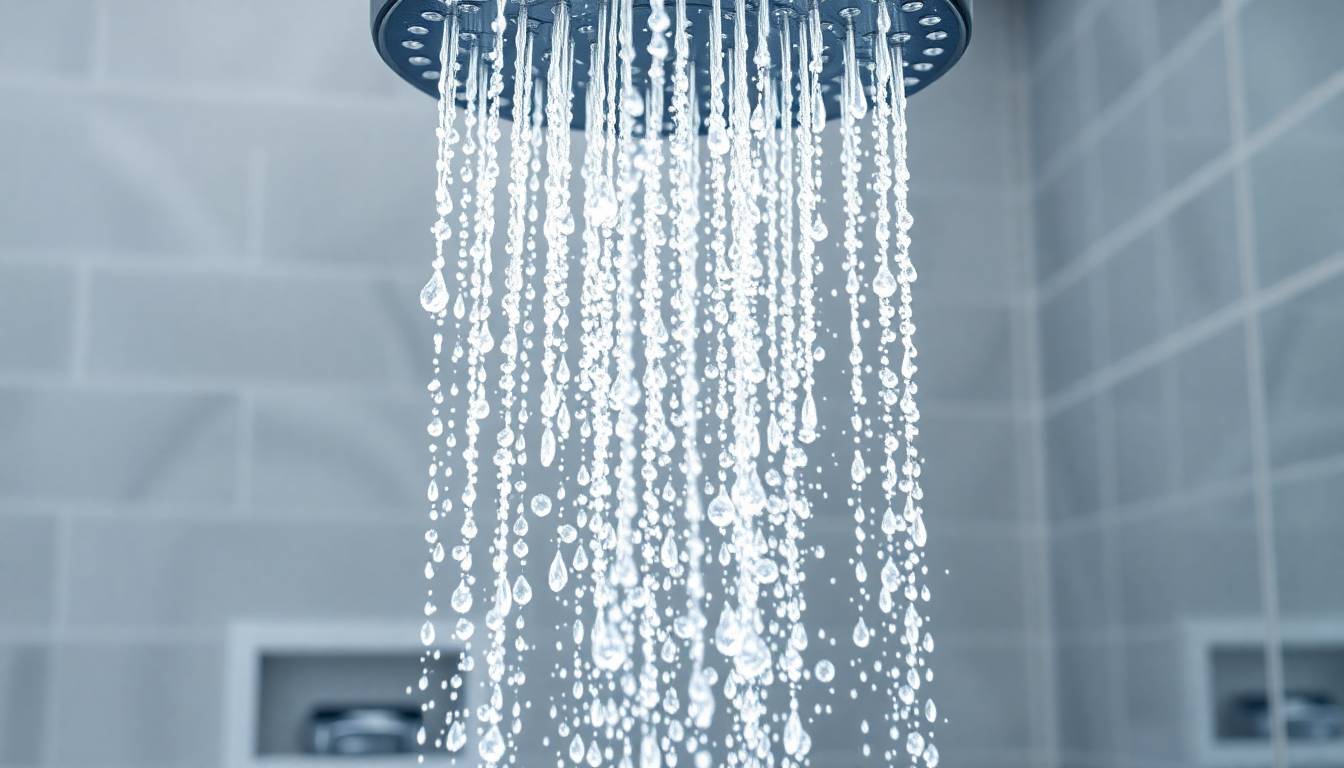
How Multi-Stage Filtration Eliminates Waterborne Pathogens
Advanced multi-stage shower filtration systems like Hydroluxe work through multiple mechanisms to remove bacteria, viruses, and harmful pathogens from your water before it touches your skin. The first stage typically uses mechanical filtration with micron-rated media that physically traps particles, bacteria, and suspended solids larger than 1 micron. This stage removes visible sediment, rust particles, and larger bacterial colonies before they reach your skin.
The second stage employs activated carbon or similar adsorbent materials that remove chlorine, volatile organic compounds (VOCs), and chemical contaminants that can damage skin and trigger inflammation. Chlorine itself kills beneficial skin microbiota while promoting dysbiosis that increases susceptibility to infections. By removing chlorine, the water maintains the healthy pH and microbial balance your skin needs to defend itself against pathogenic bacteria.
Advanced filtration systems include stages specifically designed to reduce bacterial and viral load through multiple mechanisms: some use copper-zinc media that creates an oligodynamic effect-a natural antimicrobial process where copper and zinc ions kill microorganisms on contact. Others incorporate ion exchange resins that soften water by removing hardness minerals that create perfect biofilm attachment surfaces. Some premium systems include sub-micron filtration down to 0.1 microns, which removes virtually all bacteria, protozoa, and many viruses.
By filtering water at the shower head source, you eliminate contamination before it contacts your skin, preventing biofilm exposure and reducing your overall microbial load. The multi-stage approach addresses bacteria through multiple pathways-mechanical removal, chemical reduction, and antimicrobial action-ensuring comprehensive protection that single-stage filters cannot provide.
Why Standard Shower Heads Fail to Protect Your Skin
Most people assume their municipal water is clean and safe because it passes initial treatment. However, tap water continues to collect contaminants during distribution through aging infrastructure, and shower heads themselves become secondary sources of contamination. Standard unfiltered shower heads offer zero protection against bacterial colonization-in fact, they accelerate it by providing ideal growth conditions without any antimicrobial action.
The lack of any filtration mechanism means every shower exposes you to the full microbial load of your tap water plus the bacteria thriving inside your shower head. Over time, this repeated exposure compromises your skin barrier, triggers chronic inflammation, and accelerates visible aging. People who shower daily in unfiltered water experience cumulative damage that manifests as persistent sensitivity, frequent infections, poor skin texture, and accelerated wrinkle formation.

Additional Benefits of Bacterial Filtration for Skin and Hair
- Reduced folliculitis and skin infections: By eliminating pathogenic bacteria before they contact your skin, multi-stage filtration prevents bacterial folliculitis, reducing painful red bumps, pustules, and infections that can lead to permanent scarring.
- Improved skin barrier function: Filtered water free from bacterial endotoxins reduces inflammation and damage to tight junctions, allowing your skin barrier to retain moisture and function optimally, reducing sensitivity and dryness.
- Fewer inflammatory flare-ups: For people with eczema, psoriasis, and acne-prone skin, removing bacterial triggers eliminates a major cause of inflammation and allows your skin condition to stabilize and improve.
- Prevention of waterborne infections: Multi-stage filtration eliminates Legionella and other respiratory pathogens, protecting your lungs and immune system while also preventing skin infections from waterborne organisms.
- Healthier hair and scalp: Bacterial-free water prevents scalp infections, folliculitis, and the dysbiosis that leads to dandruff and hair loss, promoting healthier hair growth and improved texture.
- Faster skin healing: Pathogen-free water prevents bacterial reinfection of wounds and compromised skin areas, allowing healing to proceed without inflammatory complications.
- Reduced need for antibacterial products: With bacterial exposure dramatically reduced, your skin's natural defenses can function optimally, reducing reliance on harsh antibacterial soaps and products that further damage your microbiome.
- Lower systemic inflammation: Chronic exposure to waterborne pathogens drives systemic inflammation visible as accelerated aging. Filtered water reduces this inflammatory load, supporting healthier, younger-appearing skin from within.
- Improved water quality for sensitive skin conditions: People with immunocompromise, open wounds, or severe dermatological conditions benefit dramatically from pathogen removal, preventing opportunistic infections that could become serious.
- Extended shower head lifespan: Multi-stage filters protect shower heads from biofilm colonization, reducing the need for frequent cleaning and preventing the odor and discoloration associated with bacterial growth.
Your shower should be a place of cleansing and renewal, not a source of bacterial exposure that damages your skin and accelerates aging. Understanding how pathogens accumulate in unfiltered shower water is essential for protecting your skin barrier, maintaining healthy hair, and supporting your immune system. The science is clear: advanced multi-stage filtration eliminates waterborne bacteria and pathogens, protecting your skin from infection, inflammation, and accelerated aging while supporting your body's natural defenses. By choosing a filtration system that addresses bacterial contamination at the source, you invest in healthier skin, stronger hair, and long-term wellness.
