


Editorial by Emily Carter
Every time you step into the shower, your hair encounters a chemical assault. Chlorine, the same disinfectant used to treat swimming pools, is present in most municipal tap water and poses a significant threat to hair health. For millions of people struggling with thinning hair, excessive shedding, and weak strands, the culprit may not be genetics or hair care products-it could be the water itself. Understanding how chlorine damages your hair at a cellular level is the first step toward reclaiming healthy, vibrant growth.
The problem extends beyond chlorine alone. Your shower water contains a complex mixture of contaminants including limescale, heavy metals, and microplastics that collectively weaken hair structure, clog follicles, and accelerate hair loss. Multi-stage filtration systems like Hydroluxe address these issues comprehensively, removing harmful substances while preserving beneficial minerals that support scalp health and hair strength. When you eliminate these contaminants, your hair naturally returns to its healthy, resilient state.
How Chlorine Destroys Hair Structure and Causes Hair Loss
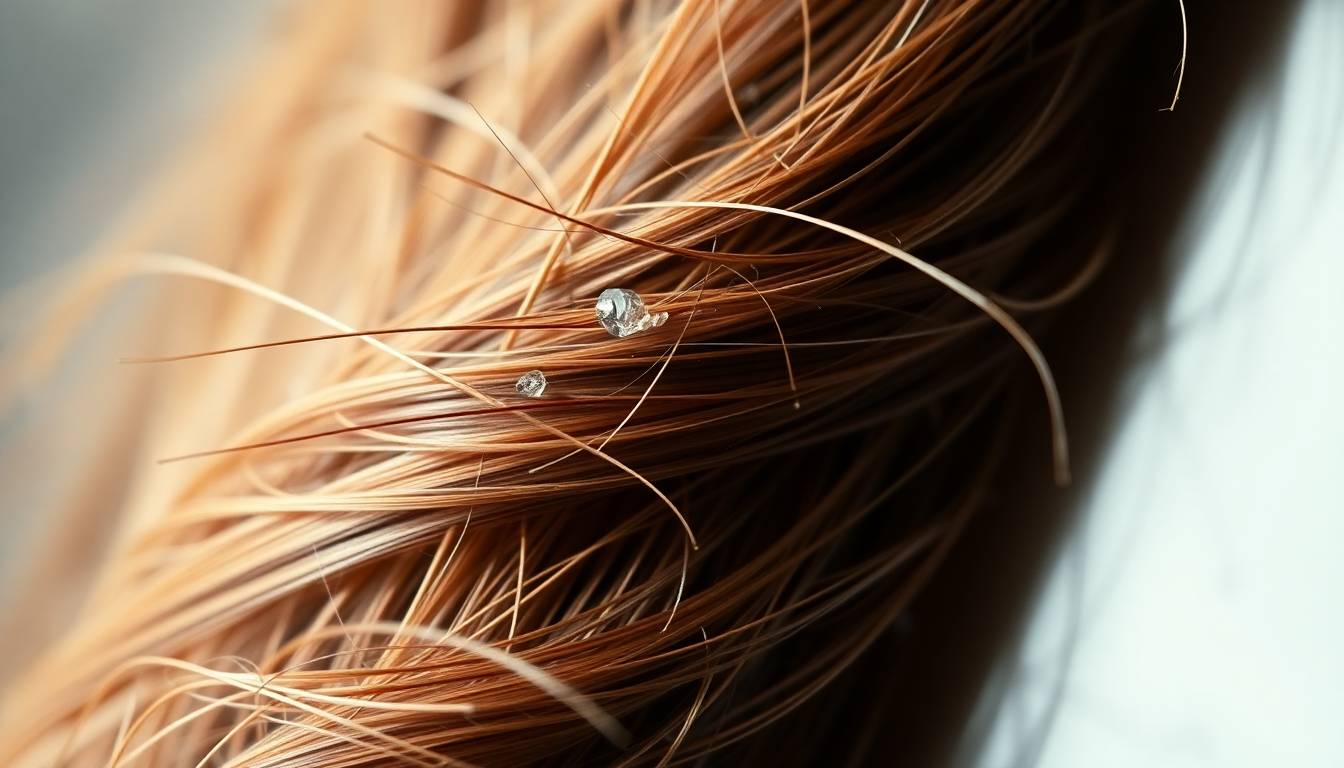
Chlorine works by oxidizing organic compounds, which is effective for water disinfection but devastating for hair protein. When chlorine comes into contact with hair, it breaks down the protein bonds that give your hair its strength, elasticity, and shine. This oxidation process weakens the hair cuticle-the outer protective layer-making strands more susceptible to breakage, split ends, and permanent damage.
The damage accumulates over time. Regular chlorine exposure gradually depletes the natural oils that protect your scalp and hair, leading to dryness, itching, and inflammation of hair follicles. Inflamed follicles cannot support healthy hair growth, which explains why people exposed to chlorinated water often experience excessive shedding and thinning. Women with color-treated hair face an additional problem: chlorine chemically alters the dye molecules, causing fading and uneven color changes that make hair appear even more damaged.
Beyond the visible damage, chlorine penetrates deeper into the hair shaft, affecting the cortex where melanin and protein are stored. This internal damage creates weak points along the hair strand that eventually snap and break. For people with fine or naturally fragile hair, even short exposure to chlorinated water can trigger noticeable hair loss within weeks.
Limescale, Heavy Metals, and Microplastics: The Hidden Hair Damage Trio
Chlorine is only part of the problem. Limescale-mineral deposits of calcium and magnesium-coats each hair strand when you shower in hard water. This mineral buildup acts like a suffocating layer that prevents moisture from penetrating the hair shaft, leaving strands dry, brittle, and prone to breakage. Your hair cannot absorb beneficial conditioners or treatments when limescale blocks the cuticle.
Heavy metals like lead, copper, and iron accumulate in tap water and deposit directly onto hair follicles and the scalp. These metals generate free radicals that damage hair proteins and impair follicle function, leading to weakened growth and premature hair loss. Copper, in particular, interferes with melanin production, causing premature graying and dulling of hair color.
Microplastics represent an emerging threat to hair health. These tiny synthetic particles become trapped in hair and on the scalp, creating an inflammatory environment that damages follicles and disrupts the natural hair growth cycle. Research shows that microplastic accumulation correlates with increased hair shedding and slower growth rates.
The Multi-Stage Filtration Solution: Restoring Hair Health from the Source
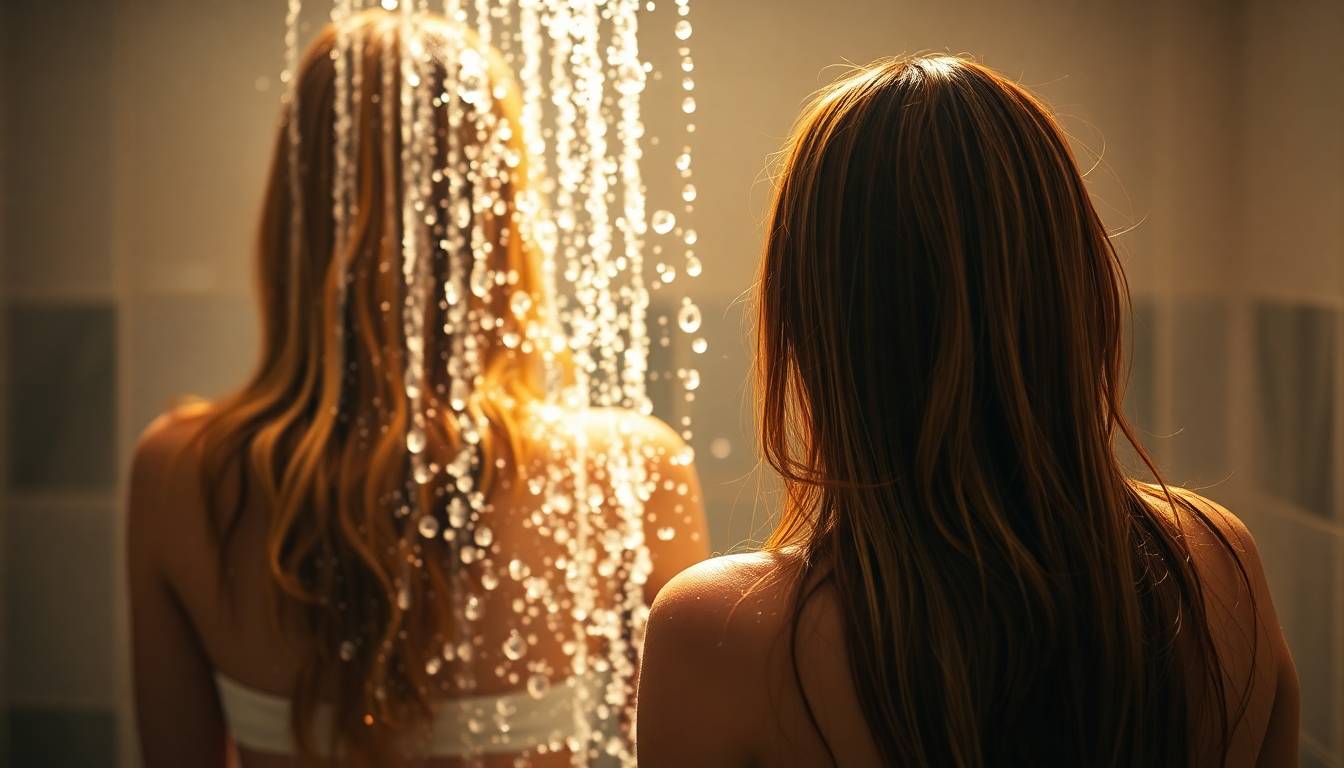
Addressing hair loss and thinning requires eliminating contaminants at their source-in your shower water. Multi-stage filtration systems like Hydroluxe use sequential filtration layers to remove chlorine, limescale, heavy metals, and microplastics simultaneously. The first stage typically uses activated carbon to absorb chlorine and volatile organic compounds, immediately improving water quality for your scalp and hair.
Subsequent stages employ ion exchange and mechanical filtration to remove mineral deposits and heavy metals while retaining beneficial minerals like magnesium that support hair health. The final stage catches microplastics and remaining particles, ensuring that only clean, pure water contacts your hair and scalp during showering.
The transformation happens relatively quickly. Within 2-3 weeks of using filtered shower water, people typically notice reduced hair shedding, improved shine, and stronger strands. Within 2-3 months, new hair growth becomes noticeably thicker and healthier. This improvement reflects the restoration of normal follicle function and the elimination of the oxidative stress that chlorine and contaminants impose on hair cells.
Water Hardness and Hair Loss: The Scientific Connection
Scientific research consistently demonstrates the link between hard water and hair loss. Studies show that hard water minerals prevent natural hair oils from coating the hair shaft effectively, reducing moisture retention and protective function. This leads to what dermatologists call "hard water hair loss," characterized by progressive thinning that accelerates with continued exposure to untreated water.
The mechanism is straightforward: hard water creates a mineral barrier that blocks moisture and nutrients from reaching the hair cortex. Simultaneously, this barrier traps bacteria and fungi against the scalp, creating inflammatory conditions that damage follicles. When you remove hard water minerals through multi-stage filtration, your natural hair oils can properly coat each strand, restoring protection and moisture.
Benefits of Filtered Shower Water for Hair Health and Growth
- Eliminates Chlorine Damage: Removes the oxidizing agent that breaks down hair protein and causes brittleness and breakage.
- Reduces Limescale Buildup: Prevents mineral coating on hair strands that blocks moisture and causes dryness and tangles.
- Removes Heavy Metals: Eliminates copper, lead, and iron that generate free radicals and damage hair follicles.
- Filters Microplastics: Prevents synthetic particle accumulation that inflames the scalp and disrupts hair growth.
- Restores Natural Shine: Allows hair cuticles to lie flat and reflect light when contaminants no longer coat the surface.
- Strengthens Hair Structure: Protects hair protein bonds from chemical oxidation, increasing elasticity and reducing breakage.
- Promotes Faster Growth: Reduces follicle inflammation and oxidative stress, allowing the hair growth cycle to function optimally.
- Decreases Shedding: Strengthens hair roots and follicles by eliminating scalp irritation from chlorine and mineral deposits.
- Improves Color Vibrancy: Prevents chlorine-induced color fading and uneven tone in color-treated hair.
- Reduces Scalp Itching: Eliminates chemical irritation and mineral deposits that cause inflammation and discomfort.
- Enhances Product Effectiveness: Allows shampoos, conditioners, and treatments to penetrate properly without mineral barriers blocking absorption.
- Prevents Premature Graying: Removes heavy metals and oxidative compounds that accelerate melanin depletion and graying.

Making the Switch: What to Expect When You Start Using Filtered Shower Water
The transition to filtered shower water produces measurable results across several timelines. Immediate improvements include softer, more manageable hair and reduced frizz within the first few showers. These changes occur because mineral deposits and chlorine residue immediately stop accumulating on the hair shaft.
Within 1-2 weeks, you'll likely notice reduced hair shedding during shampooing and styling. Your scalp will feel less irritated, and any itching or flaking will diminish. Hair will appear shinier and feel stronger, reflecting the restoration of protective natural oils on the surface of each strand.
Within 4-8 weeks, new hair growth will begin to appear noticeably healthier and thicker. This represents the restoration of normal follicle function as inflammation decreases and nutrient delivery improves. Existing damaged hair continues to shed at the normal rate, but it's replaced by stronger, healthier strands that won't break as easily.
Within 3-6 months, the cumulative effect becomes obvious. Overall hair thickness increases, hair loss normalizes, and the quality of new growth substantially improves. Hair texture becomes noticeably smoother, shine increases, and styling becomes easier because the hair is stronger and more resilient.
These improvements persist as long as you continue using filtered water. If you return to unfiltered tap water, the damage process resumes, and hair quality gradually deteriorates again. This reversibility demonstrates that the improvement is directly caused by removing contaminants from your shower water.
