


Editorial by James Whitfield
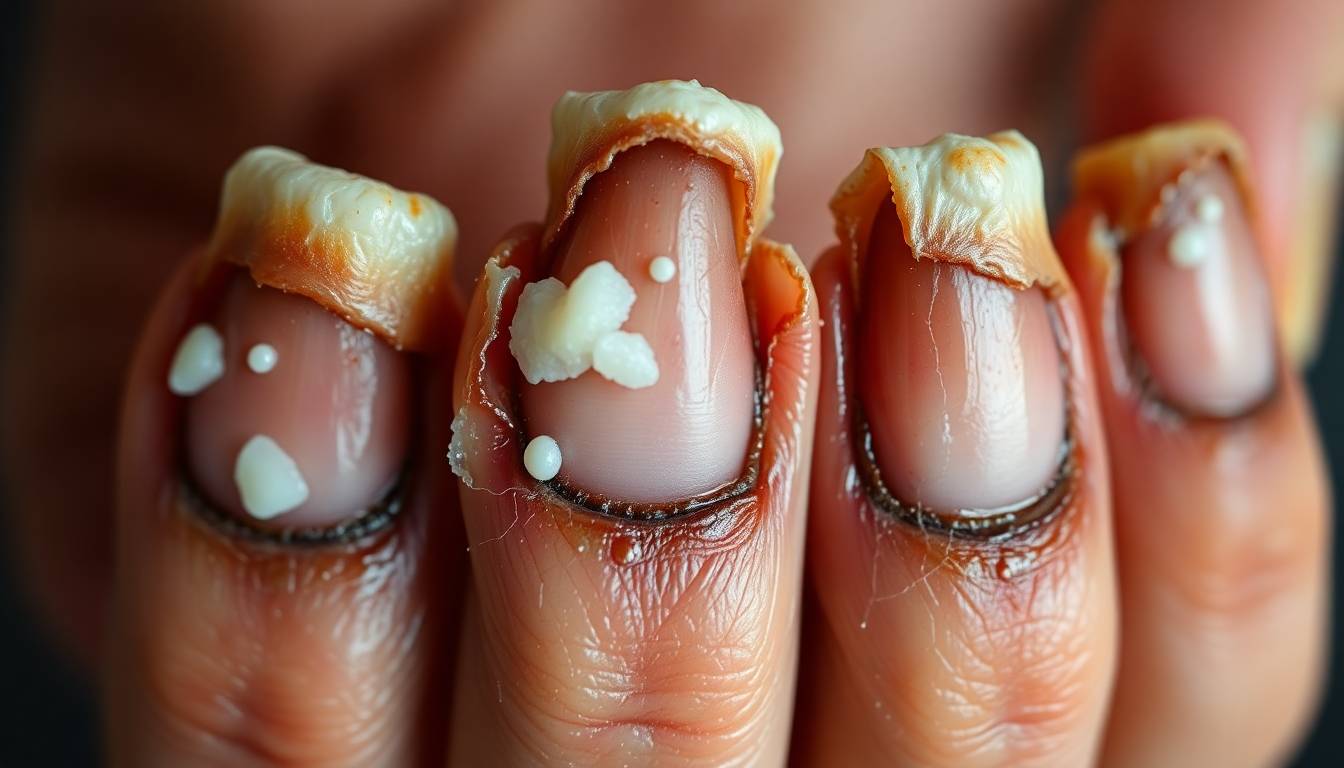
Your nails and cuticles are often the first place to show signs of poor water quality. If you've noticed your nails becoming increasingly brittle, splitting, or peeling, the culprit might not be your nail care routine-it could be your shower water. Hard water minerals like calcium and magnesium, combined with chlorine and heavy metals, accumulate on and around your nails, weakening their structure and causing cuticle damage that leads to painful hangnails and inflammation.
Most people focus on their skincare and hair care routines but overlook a critical truth: the water flowing from your showerhead affects every part of your body, including your nails. When you shower daily with unfiltered water, mineral deposits coat your nail beds and cuticles, blocking moisture absorption and creating an environment where nails become dry, brittle, and prone to breaking. Understanding this connection is the first step toward restoring nail health and achieving strong, resilient nails that grow healthily.
How Hard Water Minerals Damage Your Nails
Hard water contains elevated levels of dissolved minerals, primarily calcium and magnesium ions. When you expose your nails and cuticles to these minerals during daily showers, they accumulate on the nail surface and around the cuticle area. This mineral buildup creates a barrier that prevents your nails from absorbing moisture and nutrients, leading to severe dehydration at the cellular level.
The problem intensifies because these mineral deposits don't simply sit on the surface-they penetrate the nail structure itself. Hard water minerals alter the pH balance of your nail beds, disrupting the natural keratin formation process. Keratin is the protein responsible for nail strength and flexibility. When hard water interferes with keratin production, nails become rigid and prone to peeling, splitting, and breaking. Additionally, the friction created by mineral-coated skin around the cuticle area causes inflammation, leading to painful hangnails and infections.
Chlorine, commonly added to municipal water supplies for disinfection, compounds the damage by chemically altering the proteins in your nails. Chlorine oxidizes the lipid layer that protects your nails, leaving them vulnerable to moisture loss. This is why swimmers and people who shower frequently often experience the most severe nail damage-they're exposing their nails to chlorine multiple times daily.
Heavy Metals and Microplastics: The Hidden Nail Damage
Beyond hard water minerals and chlorine, tap water often contains trace amounts of heavy metals like lead, copper, and zinc. These metals accumulate in your nail tissue over time, interfering with the protein synthesis necessary for healthy nail growth. Copper, in particular, can cause oxidative stress in your nail cells, accelerating aging and making nails appear dull and discolored.
Microplastics have emerged as another critical concern. These tiny plastic particles, now commonly found in tap water, can embed themselves in the cuticle area and nail beds. Microplastics trigger inflammatory responses in the surrounding tissue, causing cuticles to become inflamed, swollen, and prone to peeling. This inflammation weakens the seal between the cuticle and nail, allowing bacteria to penetrate and cause infections.
The Role of pH Imbalance in Nail Degradation
Your skin and nails maintain a slightly acidic pH (between 4.5 and 5.5) to protect against bacteria and support healthy cell turnover. Unfiltered tap water often has a pH that's too alkaline, disrupting this critical balance. When shower water is too alkaline, it strips away the protective acid mantle that keeps your nails and cuticles healthy. This pH disruption causes the cuticle to lift away from the nail plate, exposing the nail bed to bacteria and moisture loss.
Hard water minerals contribute to this pH imbalance by adding alkaline elements to your shower water. Regular exposure to alkaline water causes your nails to become dehydrated and weak, while your cuticles become dry, cracked, and prone to infection. Over time, this pH imbalance can lead to fungal infections, as the damaged cuticle barrier no longer provides adequate protection.
How Multi-Stage Filtration Restores Nail and Cuticle Health
A multi-stage shower filter like Hydroluxe addresses all the factors that damage your nails and cuticles simultaneously. The system uses advanced filtration technology to remove hard water minerals, chlorine, heavy metals, and microplastics before the water touches your skin. By eliminating these contaminants at the source, filtered shower water allows your nails and cuticles to absorb moisture effectively and maintain their natural pH balance.
Hydroluxe's first stage captures sediment and large particles, including microplastics, preventing them from reaching your nails. The second stage uses activated carbon to remove chlorine and other volatile chemicals that oxidize nail proteins. The third stage employs ion exchange technology to soften the water by removing calcium and magnesium minerals. The final stage includes a mineral cartridge that balances the pH of the water, ensuring it's slightly acidic-exactly what your nails need.
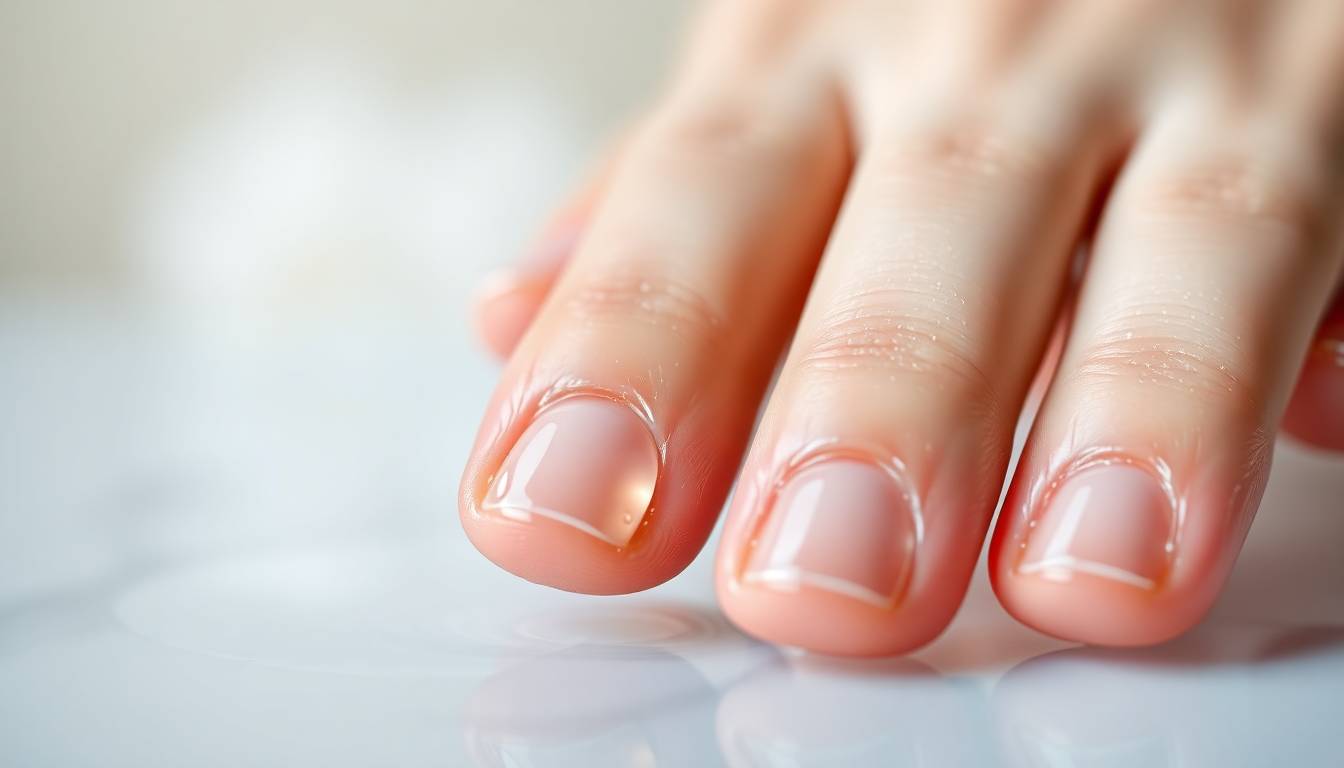
Within weeks of switching to filtered shower water, you'll notice your nails become stronger, more flexible, and less prone to peeling. Your cuticles will feel more moisturized and will heal from any existing damage. The reduction in inflammation around the cuticle area means fewer painful hangnails and a lower risk of infection. Most importantly, your nails will grow at a healthier rate because the nail bed is finally receiving the clean, mineral-free water it needs.

Additional Benefits of Filtered Shower Water for Nail Health
- Faster Nail Growth: When your nails receive clean water without chemical interference, keratin synthesis accelerates, resulting in faster, stronger nail growth over time.
- Reduced Brittleness: Multi-stage filtration removes the minerals and chemicals that make nails brittle, restoring flexibility and reducing breakage and peeling.
- Healthier Cuticles: Filtered water allows cuticles to remain hydrated and sealed, preventing cracks, hangnails, and infections that compromise nail health.
- Prevention of Nail Discoloration: By eliminating heavy metals like copper and zinc, filtered water prevents the yellowing and discoloration that occurs with unfiltered tap water exposure.
- Lower Risk of Fungal Infections: A healthy, properly sealed cuticle provides a strong barrier against fungal and bacterial infections that thrive in damaged nail beds.
- Reduced Inflammation: Removing microplastics and balancing water pH eliminates the inflammatory response that causes painful cuticle swelling and hangnails.
- Enhanced Nail Shine and Appearance: Clean water allows your nails to retain their natural lustre and healthy pink color, giving them a vibrant, youthful appearance.
- Water Conservation: Hydroluxe filters reduce water waste while delivering cleaner water, meaning you can maintain longer showers without guilt or expense.
The connection between shower water quality and nail health is scientifically documented but often overlooked in standard beauty and wellness advice. If you've struggled with brittle nails, painful cuticles, or slow nail growth despite following proper nail care protocols, your water quality is likely the root cause. Switching to a multi-stage filtration system like Hydroluxe addresses this problem comprehensively, delivering clean, balanced water that supports nail strength and cuticle health from the first shower.
