


Editorial by Sarah Lawson
If you've been struggling with dull, brittle, and unmanageable hair despite using expensive conditioners and treatments, the culprit might not be your hair care routine-it could be your shower water. Hard water, which contains high levels of minerals like calcium and magnesium, is one of the most overlooked causes of hair damage. These minerals accumulate on your hair shaft, creating a stubborn buildup that strips away moisture, causes breakage, and leaves your hair looking lifeless. Most people invest in premium shampoos and conditioners without realizing that the water flowing from their showerhead is actively working against their hair health.
The problem becomes even more complex when you consider that hard water also contains chlorine, microplastics, and heavy metals that further compromise hair integrity. Chlorine, commonly used to disinfect municipal water supplies, is particularly damaging to hair color and texture. These contaminants combine with mineral deposits to create a protective barrier on your hair that prevents moisture absorption and causes frizz, split ends, and loss of shine. Many people spend hundreds of dollars on hair treatments annually without addressing the root cause: contaminated water. A multi-stage shower filter eliminates these harmful substances before they touch your hair, making it one of the most effective and economical hair care investments you can make.
How Hard Water Minerals Damage Your Hair Structure
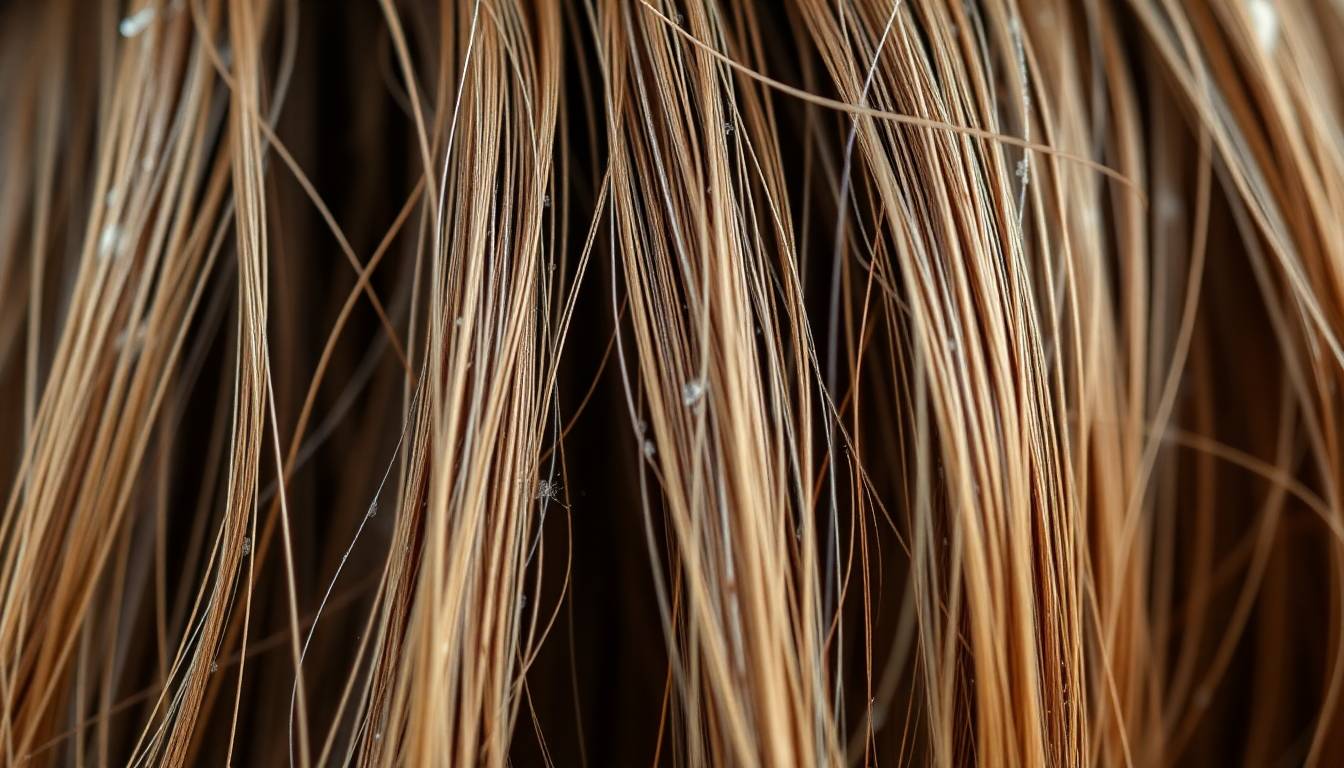
Hard water minerals don't just sit on your hair surface-they actively interact with your hair's natural structure. When calcium and magnesium ions coat your hair shaft, they create a waxy buildup that accumulates with every shower. This mineral layer prevents your natural hair oils from distributing evenly along the hair strand, leaving the ends dry and brittle while the roots may appear greasy. The buildup also makes it difficult for conditioners and treatments to penetrate your hair, rendering expensive hair products far less effective than they should be.
Over time, this mineral accumulation causes several visible problems: your curls lose their definition, straight hair becomes frizzy and prone to flyaways, and the overall shine and smoothness of your hair deteriorates significantly. Color-treated hair is especially vulnerable, as mineral deposits can interact with hair dye molecules, causing uneven fading and a dull, brassy appearance. The structural damage extends to the hair's internal protein structure, making strands weaker and more prone to breakage during brushing and styling.
The Hidden Role of Chlorine in Hair Deterioration
While hard water minerals are visible culprits, chlorine is a silent saboteur that many people don't realize is damaging their hair. Chlorine is a powerful oxidizing agent used to disinfect water supplies, but it's equally powerful at breaking down the protein bonds that hold your hair structure together. When chlorine contacts your hair, it oxidizes the lipids and proteins on your hair surface, leading to dryness, brittleness, and color fading. Blonde and highlighted hair are particularly susceptible to chlorine damage, often developing an unwanted greenish tint from the chemical reaction between chlorine and hair pigments.
The combination of hard water minerals and chlorine creates a compounding effect that intensifies damage. While the mineral coating prevents moisture from entering your hair, the chlorine simultaneously damages the hair's ability to retain moisture. This dual assault explains why many people with hard water notice their hair becoming progressively more damaged despite their best efforts to maintain it properly.
The Complete Water Contamination Picture
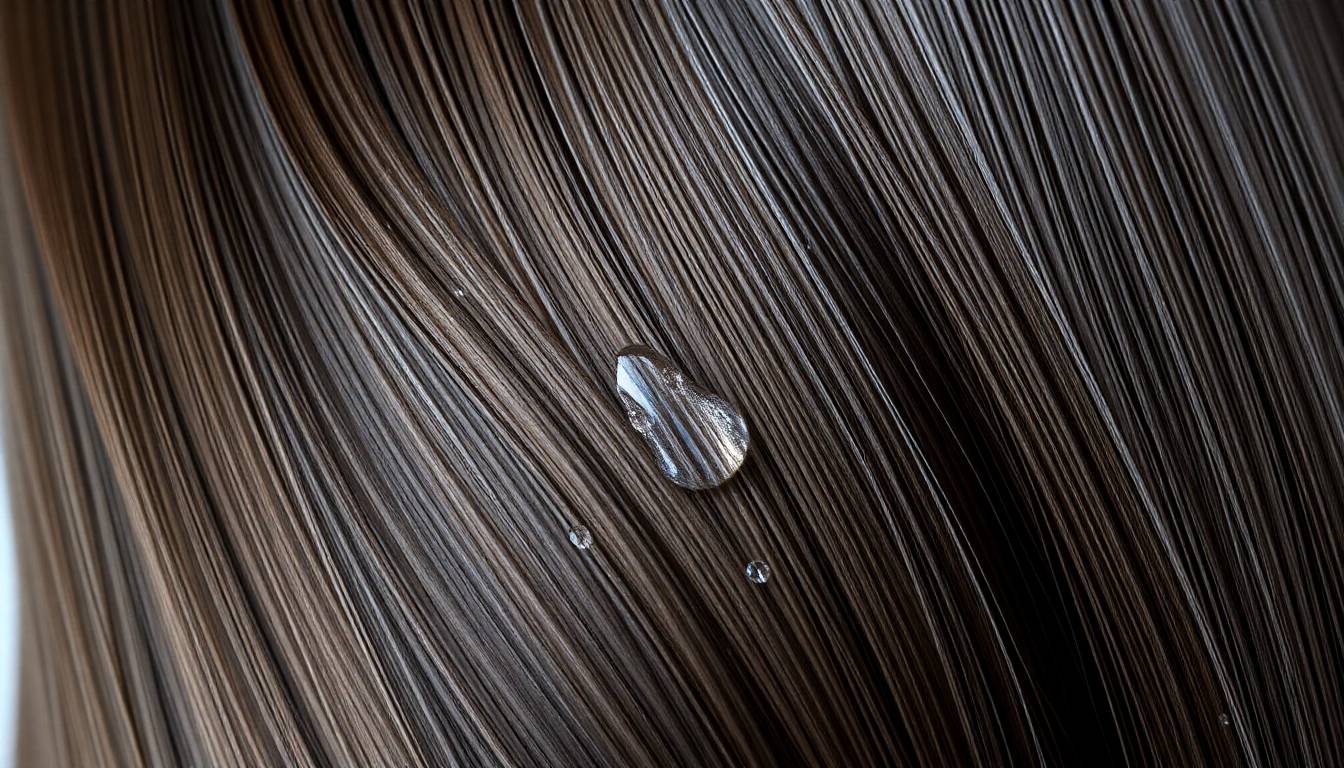
Beyond minerals and chlorine, your shower water contains additional contaminants that compromise hair and skin health. Microplastics, tiny plastic particles from industrial processes and consumer products, accumulate in water supplies and can embed themselves in your hair and scalp. Heavy metals like lead and copper, sometimes present in older plumbing systems, can bind to hair proteins and cause discoloration, weakening, and inflammation of the scalp.
A comprehensive approach to water filtration addresses all these contaminants simultaneously. Multi-stage filtration systems work by removing particles at different stages-the first stage catches larger sediments and limescale, the second stage targets chlorine, and subsequent stages eliminate microplastics and heavy metals. This layered approach ensures that the water touching your hair and skin is as pure and clean as possible, allowing your hair's natural properties to thrive and enabling hair care products to work as intended.
Why Traditional Hair Care Can't Compensate for Hard Water
Many people respond to damaged hair by purchasing professional shampoos, deep conditioning treatments, and expensive salon services. While these products can provide temporary improvements, they cannot overcome the ongoing damage caused by contaminated shower water. It's like trying to fill a bucket with a hole in the bottom-no matter how much water you pour in, it will continue to drain out. Every single shower is exposing your hair to the same damaging minerals, chlorine, and contaminants. True hair transformation requires addressing the source of the problem: the water itself.
When you eliminate contaminants at the source with a multi-stage filter, your hair can finally absorb moisture effectively, retain natural oils, and rebuild its protective outer layer. You'll notice improvements in hair texture, shine, and manageability within weeks-improvements that no conditioner alone could achieve. This means your existing hair care products will suddenly become more effective because they're working with clean water instead of against it.

Benefits of Switching to Filtered Shower Water
- Restored Hair Shine: Without mineral coating and chlorine damage, your hair's natural luster returns, making it look healthier and more vibrant within just a few weeks.
- Reduced Frizz and Flyaways: Filtered water allows your hair cuticles to close properly, eliminating the static and frizz caused by mineral buildup and chemical exposure.
- Stronger Hair Strands: Removing chlorine and heavy metals preserves your hair's protein structure, reducing breakage and promoting longer, stronger growth.
- Better Color Retention: Color-treated hair maintains its vibrancy longer when protected from chlorine oxidation and mineral discoloration that cause premature fading.
- Improved Scalp Health: Filtered water reduces scalp inflammation and irritation, eliminating the itching and flaking often caused by mineral deposits and chemical sensitivity.
- Enhanced Product Effectiveness: Your shampoos, conditioners, and treatments penetrate deeply and work more effectively when water is free from interfering contaminants.
- Reduced Styling Time: Hair that's properly moisturized and healthy requires less blow-drying and styling effort, saving you time in your daily routine.
- Long-Term Cost Savings: By addressing the root cause of hair damage, you'll spend less on expensive treatments, salon visits, and replacement products over time.
- Water Conservation: Multi-stage filters also reduce unnecessary water consumption by improving water efficiency, making your shower routine more sustainable.
The transformation from damaged, hard-water-affected hair to healthy, shiny, manageable hair is one of the most noticeable and rewarding benefits of installing a multi-stage shower filter. Unlike temporary fixes that fade after a few weeks, the improvements continue to compound as your hair rebuilds its natural structure without ongoing chemical assault. Your hair becomes more resilient, easier to style, and more responsive to professional treatments and quality hair care products.
