


Editorial by James Whitfield
Your shower might be making your hair look duller, frizzier, and less vibrant than it actually is. The culprit isn't your shampoo or conditioner-it's the water itself. Hard water, which contains high concentrations of minerals like calcium and magnesium, coats your hair shaft and prevents moisture from penetrating the cortex. This mineral buildup creates a barrier that reflects light differently, giving your hair a flat, lackluster appearance regardless of how healthy your hair actually is underneath.
The problem is particularly frustrating because no amount of expensive hair treatments or styling products can fully counteract the effects of hard water. You can invest in the best conditioners and hair masks available, but if the water itself is depositing minerals onto your strands, your efforts will be undermined every single time you shower. This is why understanding water quality is just as important as understanding your hair type and styling routine.
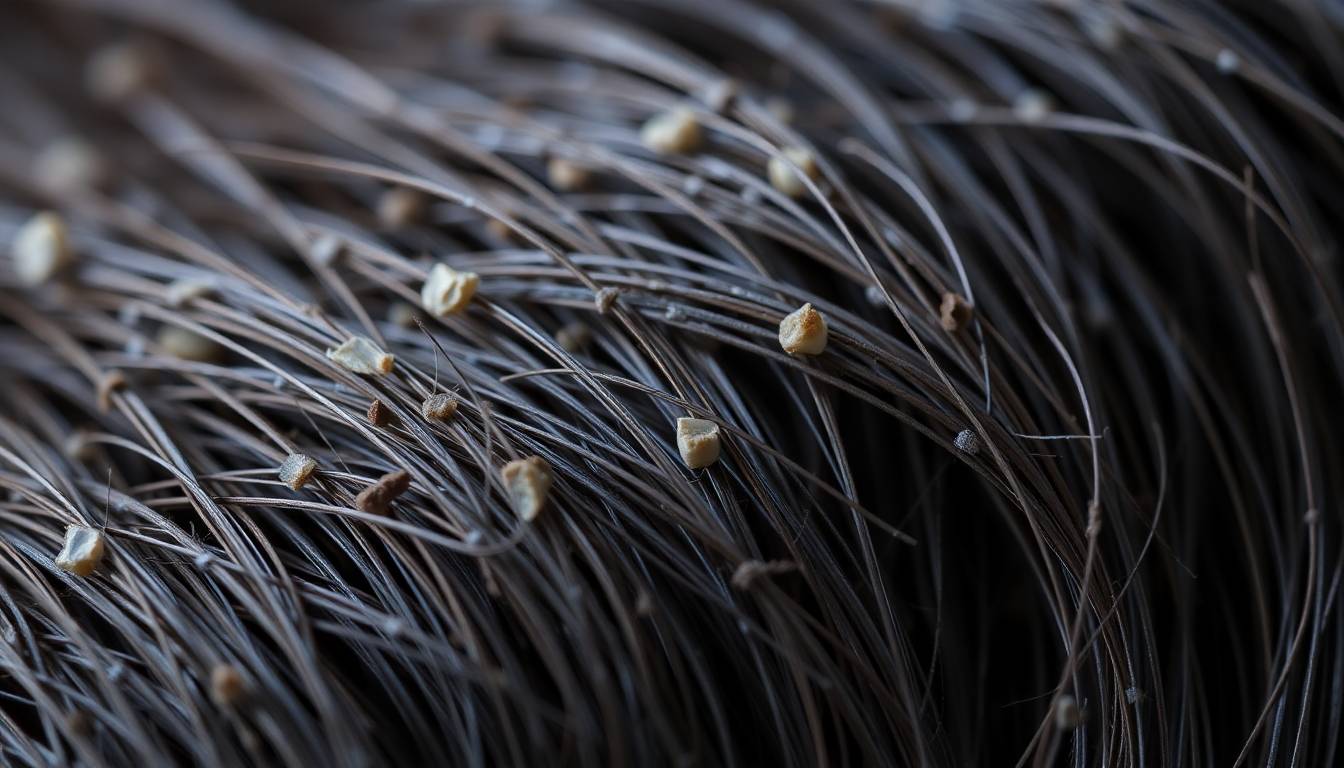
How Hard Water Minerals Damage Your Hair Structure
Hard water works against your hair in multiple ways. When calcium and magnesium ions come into contact with your hair, they bond to the hair shaft, creating a microscopic layer of mineral deposits. This coating is similar to limescale buildup you'd see on your shower head or faucet-except it's happening directly on your strands. This mineral layer prevents conditioner and other nourishing products from properly moisturizing your hair, leading to dryness and brittleness.
Beyond just creating buildup, hard water minerals also interfere with your hair's natural pH balance. Your hair's cuticle layer is designed to lay flat and smooth when pH is balanced, which creates that coveted shine and smoothness. Hard water disrupts this balance, causing the cuticle layer to lift and roughen. When cuticles are raised, light scatters instead of reflecting smoothly, making your hair appear dull and frizzy even when it's perfectly healthy beneath the surface.
The issue compounds over time. Mineral deposits accumulate with each shower, so your hair gets progressively duller, heavier, and more prone to breakage. This is why people with hard water often notice their hair looking better on days when they use filtered or bottled water, but return to dullness once they're back to their regular shower routine.
The Role of Chlorine and Other Contaminants in Hard Water
Hard water isn't the only problem-many water systems also contain chlorine, which is used for disinfection but wreaks havoc on hair health. Chlorine oxidizes the proteins that make up your hair structure, weakening the bonds that keep your hair strong and elastic. When combined with hard water minerals, chlorine's damaging effects are amplified. Your hair loses elasticity, becomes prone to breakage, and the overall texture becomes rough and unmanageable.
Additionally, tap water can contain other contaminants like sediment, bacteria, and in some cases, heavy metals depending on your local water system and pipes. These all contribute to hair looking and feeling unhealthy, even when your hair is genetically predisposed to be beautiful. The unfortunate reality is that standard shower water is simply not optimal for hair health.
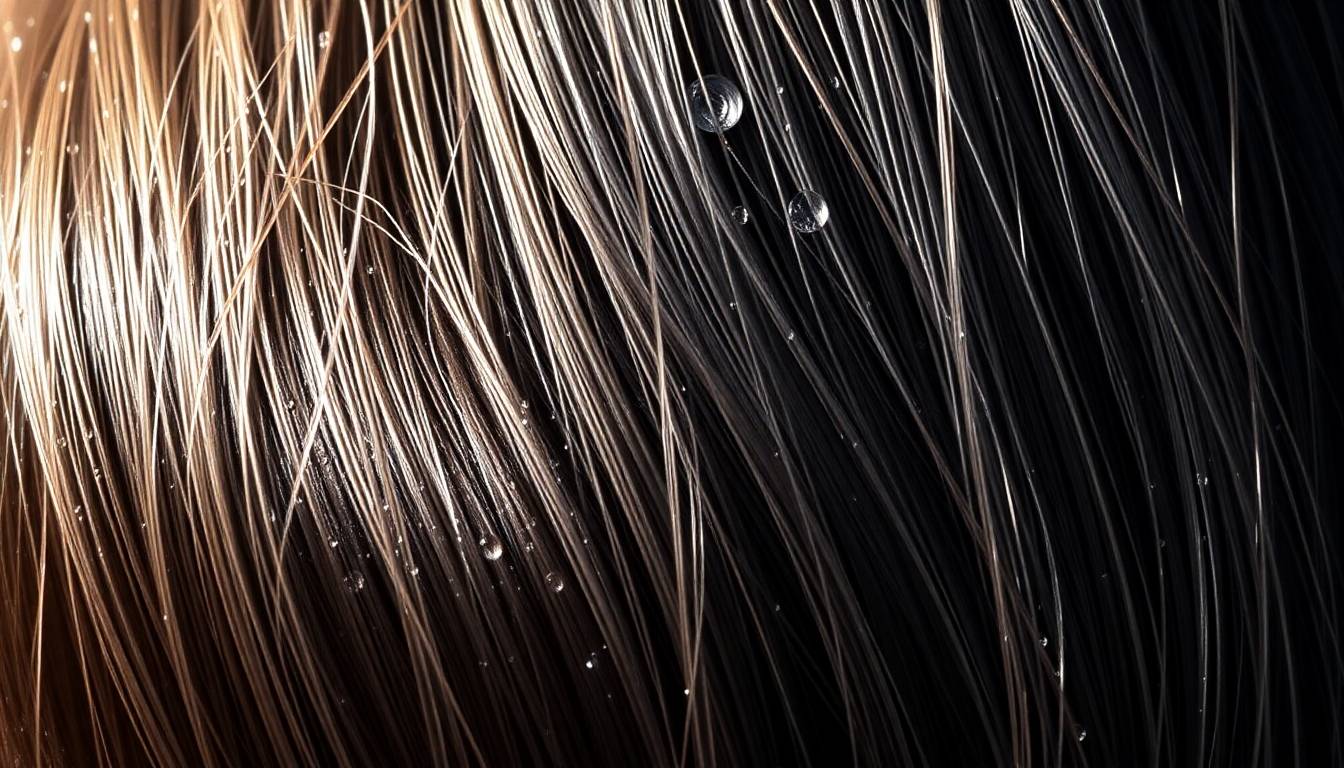
Why Multi-Stage Filtration Restores Your Hair's Natural Shine
A multi-stage shower filter addresses all these issues simultaneously by removing the minerals, chlorine, and contaminants that damage your hair. The first stage typically removes larger particles like sediment and rust. Subsequent stages use activated carbon to eliminate chlorine and other chemical contaminants, while specialized media targets heavy metals and microplastics. The final stages work to reduce water hardness by binding to mineral ions, preventing them from coating your hair.
The result is water that's chemically closer to distilled water-pure H2O without the damaging additives and minerals. When your hair is washed in filtered water, the cuticle layer can lay flat as it's meant to, allowing light to reflect properly and creating natural shine. Without chlorine attacking the protein structure, your hair maintains its elasticity and strength. Without mineral buildup, conditioner and other treatments can actually penetrate and nourish your strands rather than sitting on top of a mineral layer.
This isn't just about aesthetics. Filtered shower water also supports your hair's long-term health. You'll experience less breakage, less frizz, and improved manageability. Many people find that their hair returns to its natural texture and appearance once they've been using filtered water consistently for just a few weeks, as the mineral coating gradually washes away.
The Science Behind Mineral Reduction and Hair Vitality
The mechanism behind how filtration improves hair involves understanding ion exchange and absorption chemistry. When hard water minerals (calcium and magnesium) are removed or significantly reduced, they can no longer form the insoluble compounds that coat hair strands. This allows the hair's natural oils to coat the shaft uniformly, creating a protective layer that seals moisture inside the hair cortex.
When chlorine is removed, the protein structures in your hair (keratin, collagen, and elastin) remain intact and stable. These proteins are responsible for your hair's strength, elasticity, and ability to hold moisture. Chlorine damages these proteins through oxidation, but in filtered water, they remain protected and functional. This is why hair washed in chlorine-free water consistently feels softer, looks shinier, and is more manageable.

Key Benefits of Filtering Your Shower Water for Hair Health
- Restored Natural Shine: Mineral buildup creates dullness by scattering light. Filtered water allows your hair's natural reflective properties to shine through, creating the luminous appearance that indicates healthy hair.
- Reduced Frizz and Flyaways: When mineral deposits are removed and the hair cuticle lays flat, you'll notice a significant reduction in frizz, especially in humid conditions where hardness minerals exacerbate the problem.
- Improved Hair Manageability: Hair without mineral coating is softer, smoother, and easier to style. You'll find that your hair responds better to styling products and holds styles longer.
- Stronger, Less Breakage-Prone Hair: Chlorine-free water means your hair's protein structures remain intact. This translates to stronger strands that are less prone to snapping, split ends, and breakage.
- Better Product Absorption: Without a mineral barrier, your conditioner, treatments, and styling products can actually penetrate your hair and deliver their benefits rather than sitting on top of a buildup layer.
- Natural Hair Color Preservation: Chlorine causes color-treated hair to fade and can turn blonde hair greenish. Filtered water prevents this oxidative damage, keeping your color vibrant longer.
- Enhanced Hair Moisture Retention: Filtered water allows your scalp's natural oils to distribute properly along the hair shaft, preventing the dryness and brittleness that hard water causes.
- Scalp Health Improvement: Beyond just the hair strands, filtered water supports a healthier scalp by removing irritants and allowing the scalp's natural microbiome to balance properly.
- Long-Term Hair Resilience: Consistent use of filtered shower water strengthens your hair over time, making it more resilient to heat styling, chemical treatments, and environmental stressors.
- Reduced Need for Expensive Treatments: When your water quality is optimized at the source, you won't need to compensate with expensive clarifying shampoos, chelating treatments, and intensive hair masks.
The transformation happens gradually as mineral buildup washes away and your hair's natural health and appearance emerge. Most people notice improvements in shine, softness, and manageability within 2-3 weeks of switching to filtered shower water. Over months, the cumulative benefits become even more apparent as your hair's structure fully recovers from the long-term effects of hard water and chlorine exposure.
