


Editorial by Sarah Lawson
Every time you step into the shower, your skin comes into contact with minerals, chemicals, and contaminants that most people never think about. Hard water-containing high levels of calcium, magnesium, and limescale-is one of the most overlooked culprits behind persistent skin sensitivity and inflammation. If you've noticed your skin feels tight, itchy, or irritated after showering despite using gentle skincare products, the problem might not be your cleanser at all. It could be the water itself.
The connection between water hardness and skin sensitivity is backed by dermatological research showing that mineral deposits from hard water create a film on the skin's surface, disrupting the natural moisture barrier. This protective barrier is essential for maintaining skin health and preventing irritation. When hard water minerals accumulate on your skin, they interfere with your skin's ability to retain moisture, leading to dryness, redness, and inflammatory responses that can trigger or worsen conditions like eczema, rosacea, and general sensitivity.
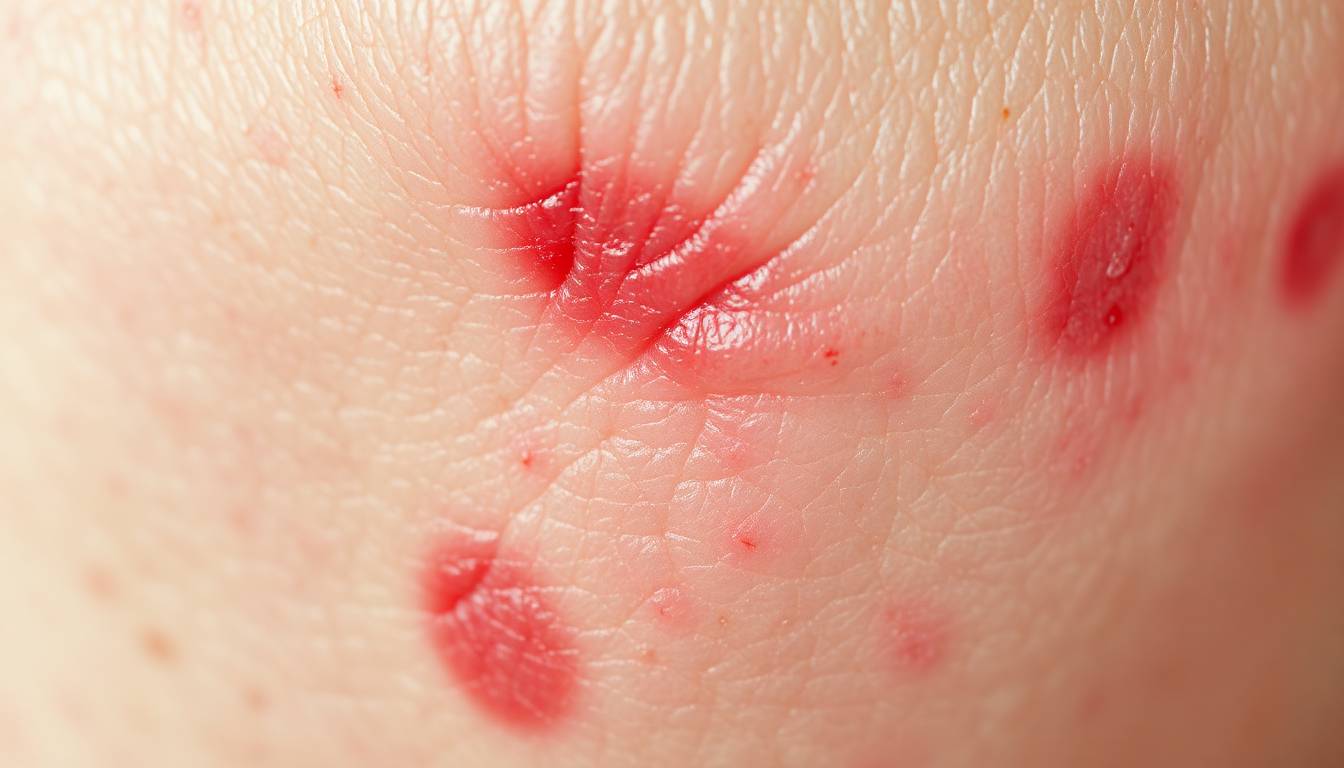
Understanding Hard Water and Its Effect on Sensitive Skin
Hard water is classified by the concentration of dissolved minerals, primarily calcium and magnesium. When water is considered hard, it contains more than 120 mg/L of these minerals. In many regions, tap water exceeds this threshold significantly, meaning millions of people shower in hard water every single day without realizing the damage it causes to their skin.
When hard water comes into contact with your skin, several problematic processes occur simultaneously. First, the minerals bind with the oils naturally produced by your skin and any soap or cleanser you use, creating an insoluble residue. This residue doesn't rinse away completely, leaving a waxy coating that prevents water and skincare products from penetrating the skin properly. Second, this mineral buildup disrupts the skin's pH balance, which should naturally be slightly acidic (around 4.5-5.5). Hard water tends to be alkaline, and when it leaves mineral deposits on your skin, it raises the skin's pH level, triggering inflammation and sensitivity responses.
For people with naturally sensitive skin, hard water becomes a significant aggravating factor. The constant exposure to mineral-laden water amplifies inflammation, increases transepidermal water loss (TEWL), and can cause the skin barrier to become compromised. This is why many individuals with sensitive skin find that their conditions worsen in areas with harder water supplies, and why dermatologists increasingly recommend water filtration as part of a comprehensive skincare routine.
How Chlorine and Chemical Contamination Amplify Skin Sensitivity
Hard water minerals are only part of the problem. Municipal water supplies are treated with chlorine and other chemical disinfectants to eliminate pathogens, but these same chemicals can be remarkably irritating to the skin. Chlorine is a powerful oxidizing agent that strips away the skin's natural oils, damages the skin barrier, and can trigger inflammatory responses in sensitive individuals.
When chlorine combines with hard water minerals on your skin, the irritation compounds exponentially. The chemical reaction between chlorine and mineral deposits creates an even more hostile environment for the skin barrier, making inflammation more severe and persistent. This is why people who shower in chlorinated, hard water often experience worse skin sensitivity than those in either condition alone.
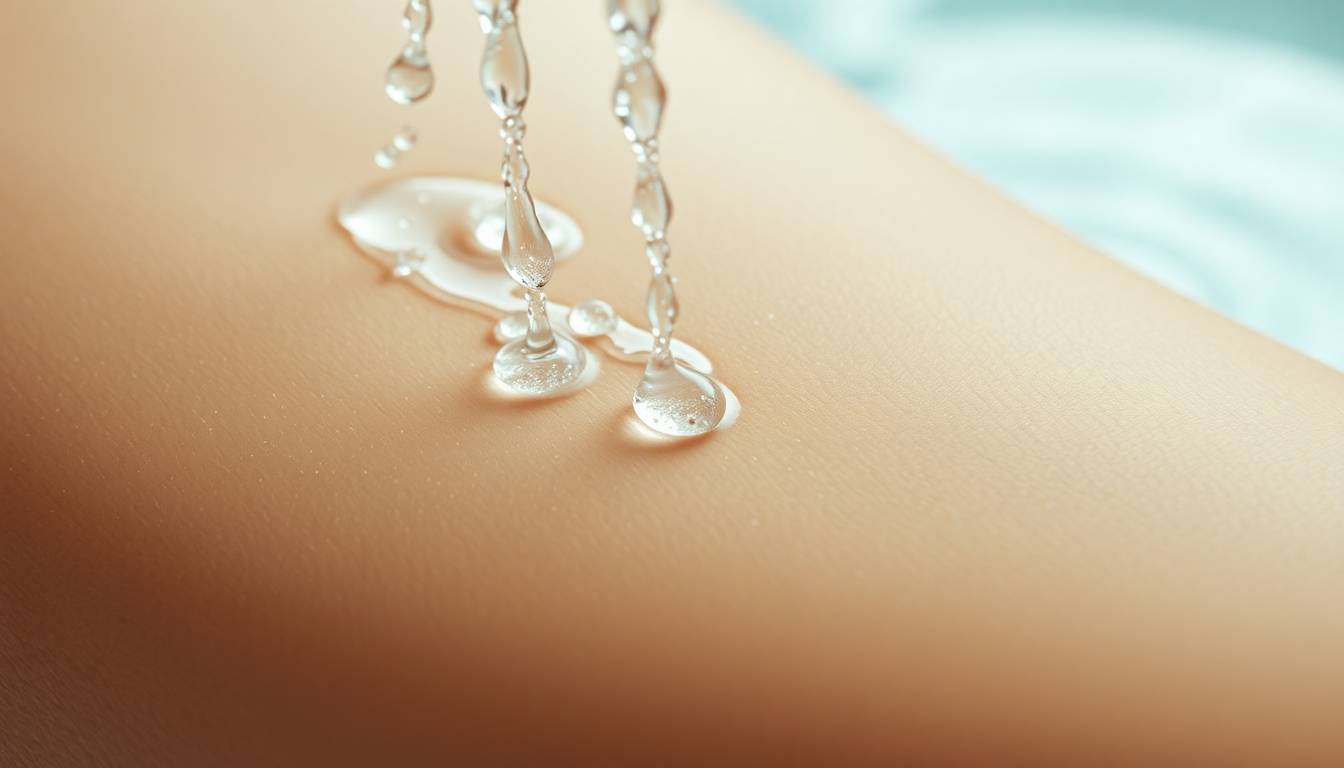
The Multi-Stage Filtration Solution: Restoring Skin Comfort
Multi-stage shower filtration systems like Hydroluxe are specifically designed to address all these issues simultaneously. Unlike basic filters that only address chlorine, a true multi-stage filter system tackles the complete spectrum of water contaminants that trigger skin sensitivity and inflammation.
The first stage typically uses activated carbon to remove chlorine and volatile organic compounds (VOCs). This immediately eliminates one of the primary irritants responsible for skin inflammation and sensitivity. By removing chlorine before it touches your skin, you're already preventing significant irritation.
The subsequent stages address mineral hardness through ion-exchange resins or specialized mineral-removal media that capture calcium and magnesium ions before they reach your skin. These stages also filter out heavy metals like lead and copper, microplastics, and other particulates that contribute to skin irritation. Some advanced systems include additional layers that balance water pH, further supporting skin barrier health.
When you shower in water that has been processed through a multi-stage filter, your skin experiences dramatically less irritation. The mineral film that typically coats your skin doesn't form, allowing your skin barrier to function optimally. Moisturizers penetrate more effectively, your skin retains hydration more efficiently, and inflammatory responses diminish significantly. Many people with chronic skin sensitivity report that their symptoms improve noticeably within just a few weeks of using filtered shower water.
Key Benefits of Multi-Stage Shower Filtration for Sensitive Skin
- Eliminates Chlorine Irritation: Activated carbon removes 95-99% of chlorine and chlorine byproducts, the primary chemical irritants in tap water that trigger skin inflammation and sensitivity reactions.
- Removes Hard Water Minerals: Ion-exchange technology captures calcium and magnesium before they form mineral deposits on your skin, preventing the characteristic tightness and irritation hard water causes.
- Reduces Heavy Metal Exposure: Advanced filtration removes lead, copper, and other heavy metals that can accumulate in skin and trigger inflammatory responses and premature aging.
- Filters Microplastics: Multi-stage systems capture microplastics that irritate skin and can penetrate compromised skin barriers, particularly problematic for sensitive skin types.
- Balances Water pH: Some filtration systems include pH-balancing stages that keep water closer to skin-neutral levels, reducing alkaline damage to the skin barrier.
- Improves Skincare Efficacy: Without mineral film blocking absorption, your serums, moisturizers, and treatments penetrate more effectively and work better on cleaner skin.
- Reduces Inflammation Visibly: Most users notice reduced redness, less itching, and calmer skin within 2-4 weeks of switching to filtered shower water.
- Supports Skin Barrier Recovery: Filtered water allows your skin's natural protective barrier to repair and strengthen itself without constant chemical and mineral damage.
- Protects Against Environmental Stressors: Removing multiple contaminant categories simultaneously provides comprehensive protection against cumulative skin damage.
- Reduces Water Consumption: Efficient filtration means you don't need to shower longer or use extra water to rinse away mineral residue, supporting both skin and environmental goals.

Making the Switch: What to Expect
When you first install a multi-stage shower filter, you might notice immediate changes in how water feels on your skin-typically described as softer and less drying. Within the first week, many people report that their skin feels less tight after showering and that the characteristic squeaky-clean feeling is replaced with a softer, more hydrated sensation.
Over the first month, more significant improvements emerge. Redness often diminishes, itching decreases, and skin texture becomes noticeably smoother. If you have active dermatological conditions like eczema or rosacea, you may notice these conditions stabilize and improve as the constant irritation from hard water and chlorine exposure is removed.
The cumulative effect of consistent filtered shower water exposure leads to lasting improvements in skin health. Your skin barrier becomes stronger and more resilient, your natural protective oils aren't stripped away daily, and your skincare products work more effectively because they're being applied to cleaner, healthier skin that can actually absorb them properly.
Water hardness and skin sensitivity are directly connected, and this connection is one of the most underdiagnosed causes of chronic skin irritation. By addressing the root cause-contaminated, chemically treated, mineral-laden tap water-rather than just treating symptoms with stronger products, you give your skin the chance to heal and thrive. Multi-stage shower filtration represents a fundamental shift in skincare philosophy: cleaning the water that touches your skin every day is just as important as the products you apply to it.
