


Editorial by Sarah Lawson
Your scalp health is directly connected to the quality of water you shower with every day. While many people focus on expensive hair treatments and shampoos, they overlook a fundamental problem: the water itself. Hard water, loaded with minerals like calcium and magnesium, creates an invisible barrier on your scalp that disrupts the natural balance of oils and moisture. This mineral buildup doesn't just make your hair feel sticky and limp-it actively triggers dandruff, itching, and scalp inflammation that can lead to hair loss over time.
The science is clear: when hard water minerals accumulate on your scalp, they prevent moisture from penetrating hair follicles and create an environment where bacteria and fungi thrive. This is why people with hard water often experience chronic scalp problems despite using premium hair products. The solution isn't another expensive conditioner-it's addressing the root cause by filtering your shower water to remove the minerals, chlorine, and contaminants that damage your scalp in the first place.
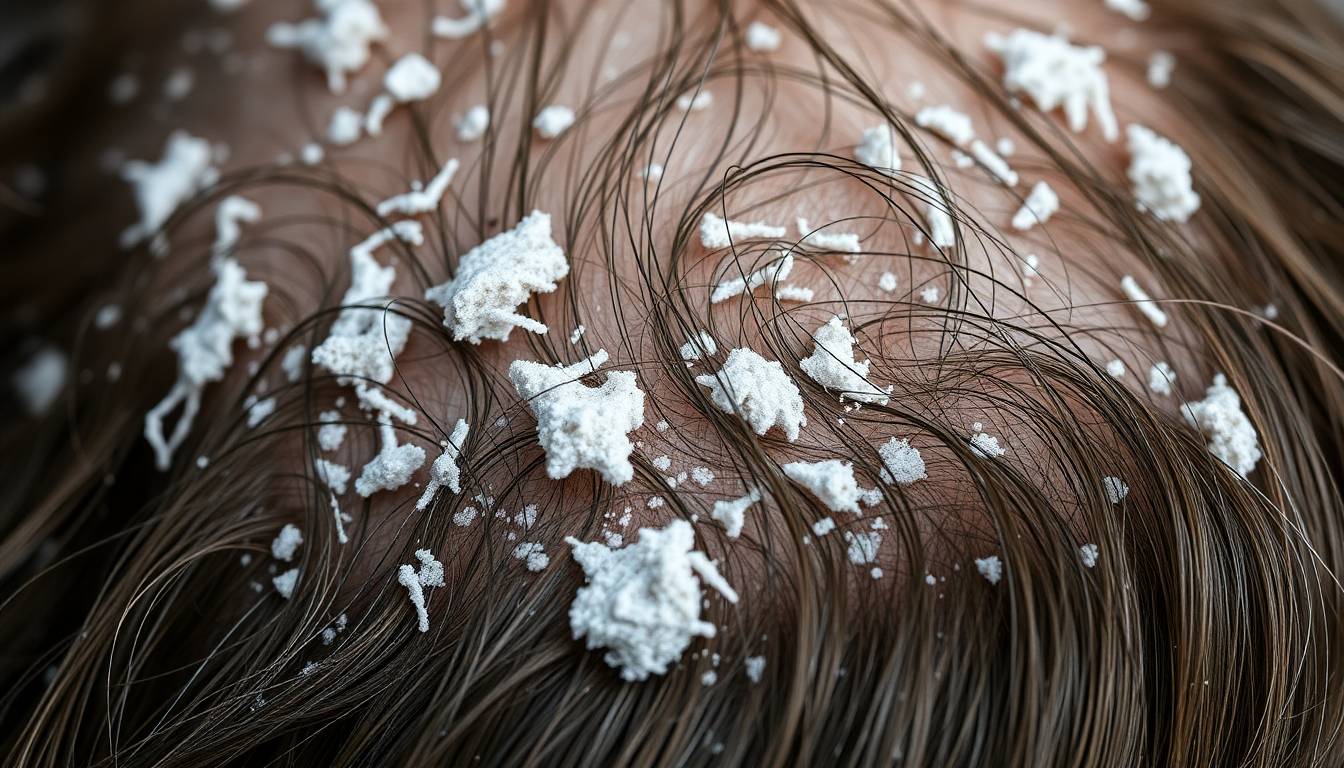
How Hard Water Destroys Scalp Balance and Triggers Dandruff
Hard water contains dissolved minerals that remain on your scalp long after you step out of the shower. Unlike soft water, which rinses away easily, these mineral deposits create a chalky coating over your skin and hair. This coating traps sebum (your scalp's natural oil), preventing it from distributing evenly across your hair. The result is an oily scalp paired with dry, brittle hair-a frustrating combination that leads to excessive scratching and inflammation.
When mineral buildup accumulates, it irritates the delicate skin of your scalp and disrupts the pH balance that keeps your skin microbiome healthy. A healthy scalp microbiome naturally prevents the overgrowth of Malassezia, the fungus responsible for dandruff. But hard water changes the scalp environment, creating perfect conditions for fungal proliferation. This is why dermatologists increasingly recommend water filtration as a first step in treating persistent dandruff, rather than relying solely on anti-dandruff shampoos.
Additionally, hard water minerals interfere with the absorption of beneficial ingredients from hair care products. Even if you're using a premium scalp treatment, the mineral barrier prevents it from penetrating effectively. This means you're essentially wasting money on products that can't reach the areas where they're needed most. Many people don't realize they have a hard water problem until they switch to filtered water and suddenly experience dramatic improvements in scalp health.
Chlorine and Other Chemicals: The Hidden Scalp Irritants
Beyond minerals, tap water contains chlorine and other disinfectants that dry out your scalp and hair. Chlorine strips away the natural oils that protect your scalp barrier, leaving it vulnerable to irritation and infection. This is particularly problematic for people with sensitive skin or existing scalp conditions like psoriasis or seborrheic dermatitis. Chlorine exposure creates a vicious cycle: your scalp becomes drier, you produce more oil to compensate, and the mineral buildup traps that excess oil against your skin.
Heavy metals and microplastics in unfiltered water compound these problems. Microplastics accumulate in hair follicles, blocking nutrient absorption and preventing healthy hair growth. Heavy metals like lead and copper oxidize on your scalp, creating inflammation and accelerating the breakdown of the scalp barrier. These contaminants are invisible to the naked eye, but their effects on scalp health are very real and increasingly documented in dermatological research.
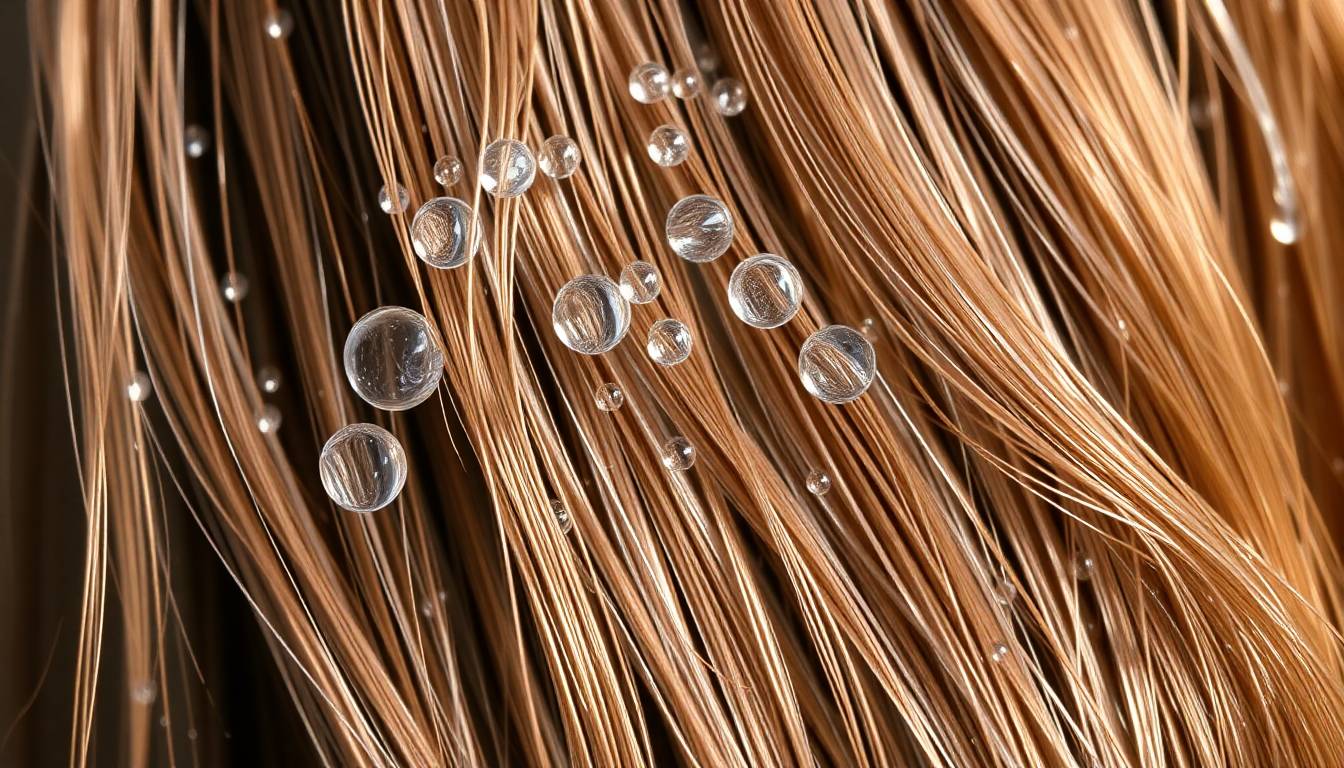
The Science Behind Multi-Stage Filtration and Scalp Recovery
Multi-stage shower filters work by removing contaminants in layers, with each stage targeting specific problems. The first stage typically removes sediment and large particles. The second stage uses activated carbon to eliminate chlorine, volatile organic compounds (VOCs), and some microplastics. The third stage employs ion exchange or KDF-55 technology to remove heavy metals and reduce mineral content. By the time water reaches your scalp, it's significantly softer and cleaner than unfiltered tap water.
When you switch to filtered shower water, your scalp begins to recover almost immediately. Within days, you'll notice less itching and inflammation. Within weeks, dandruff typically diminishes as the fungal overgrowth normalizes with the restoration of a healthy pH balance. Your natural oil production stabilizes because your scalp is no longer over-compensating for the damage caused by hard water and chlorine. Hair becomes shinier, stronger, and more resilient because follicles can finally absorb moisture and nutrients properly.
Research published in dermatology journals shows that patients who switched from hard water to filtered water experienced a 70-80% reduction in scalp-related complaints within three months. This improvement occurred without changing shampoos or other hair products, demonstrating that water quality is a primary factor in scalp and hair health. For people with chronic dandruff or scalp sensitivity, this represents a game-changing discovery that often provides relief that expensive treatments never could.
How Filtered Water Promotes Hair Growth at the Follicle Level
Healthy hair growth requires a healthy scalp environment. When mineral deposits clog your hair follicles, they interrupt the nutrient and oxygen supply that promotes growth. Hard water also increases inflammation around the follicle, which can trigger telogen effluvium-a condition where hair prematurely enters the shedding phase. By removing hard water minerals and chemicals, filtered shower water allows your follicles to function optimally.
Filtered water enables your scalp to maintain proper moisture balance. This is crucial because dehydrated scalps produce excessive sebum, which then becomes trapped by mineral buildup, creating the inflammatory environment where hair loss accelerates. With filtered water, your scalp stays properly hydrated, sebum production normalizes, and the follicle environment becomes conducive to healthy growth cycles. Many people report thicker, fuller hair within 2-3 months of switching to filtered water, even without other interventions.

Key Benefits of Filtered Shower Water for Scalp and Hair Health
- Eliminates Dandruff and Itching: Removes mineral deposits that trigger fungal overgrowth and scalp inflammation, reducing flaking and discomfort naturally
- Restores Natural Oil Balance: Allows sebum to distribute evenly across your scalp, preventing the oily-scalp-dry-hair problem
- Strengthens Hair Follicles: Unclogs follicles and improves nutrient absorption, promoting stronger, more resilient hair growth
- Reduces Hair Loss and Shedding: Eliminates inflammation around follicles that triggers premature hair shedding and telogen effluvium
- Improves Product Efficacy: Removes the mineral barrier that prevents shampoos and treatments from working effectively
- Prevents Color Fading: Chlorine removal helps preserve hair color and reduces the brassy, dull appearance hard water causes
- Decreases Scalp Sensitivity: Reduces irritation and inflammation, making your scalp less reactive to environmental stressors
- Enhances Hair Shine and Smoothness: Filtered water allows the hair cuticle to lay flat, reflecting light and creating a naturally glossy appearance
- Supports Scalp Microbiome Health: Maintains proper pH balance that allows beneficial bacteria to thrive and pathogenic organisms to remain controlled
- Reduces Frizz and Flyaways: Proper hydration from filtered water minimizes frizz by keeping the hair cuticle smooth and sealed
