


Editorial by Emily Carter
If you experience unexplained skin irritation, dryness, or redness after showering, the culprit might not be your skincare routine-it could be your water. Most people assume tap water is clean and safe simply because it comes from their faucet, but municipal water contains numerous substances that can compromise your skin barrier and trigger inflammation. Chlorine, limescale buildup, microplastics, and heavy metals are routinely present in shower water, and they accumulate on your skin with every wash.
The irony is that you're trying to cleanse yourself, but the water you're using might be damaging your skin in the process. This vicious cycle leaves many people struggling with persistent skin problems despite investing in expensive serums and moisturizers. The solution isn't found in your bathroom cabinet-it's found at the source: your showerhead.
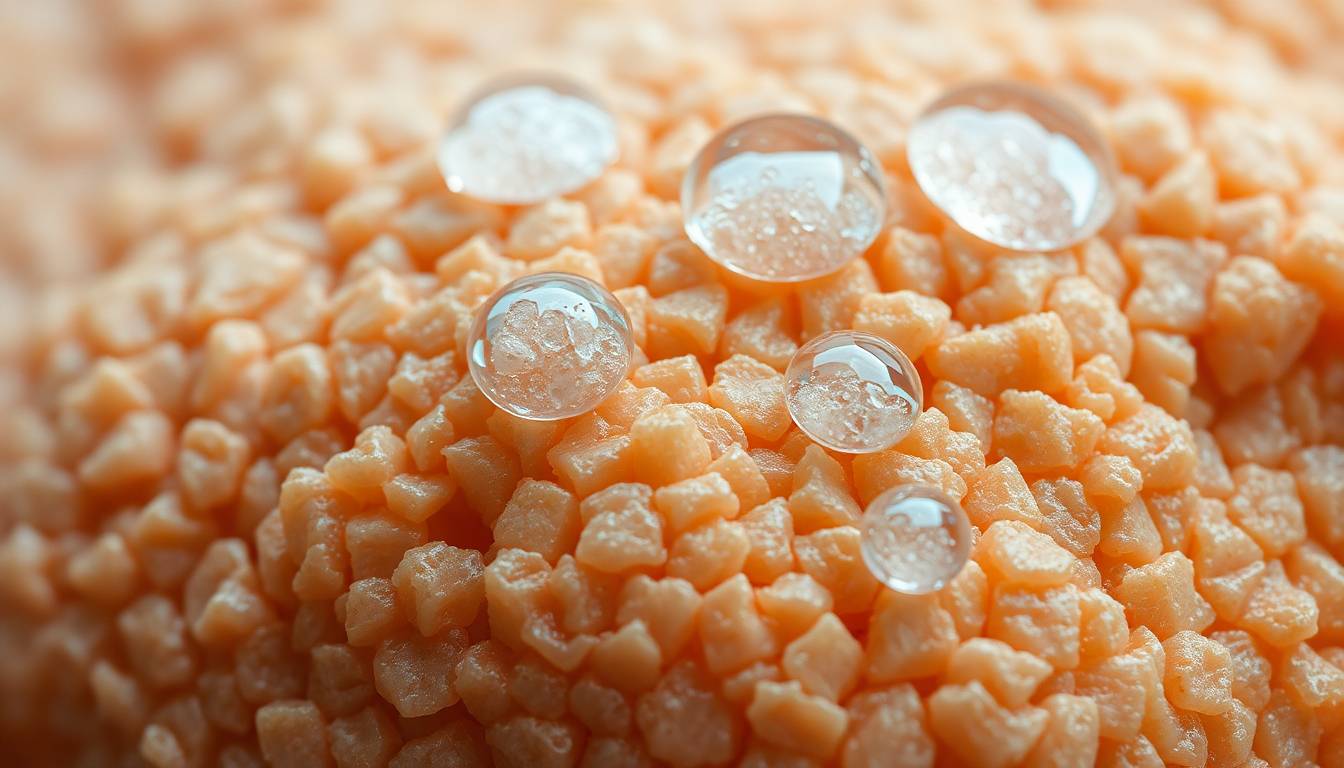
Understanding Tap Water Composition: What's Actually on Your Skin
Tap water undergoes treatment at municipal facilities, but this basic treatment doesn't remove all contaminants. While water treatment plants focus on eliminating harmful bacteria and viruses, they add chlorine as a disinfectant-a chemical that remains in your water when it reaches your home. Additionally, as water travels through aging pipes, it picks up mineral deposits (limescale), rust particles, and trace amounts of heavy metals like lead and copper.
Chlorine is particularly problematic for skin health. This oxidizing agent strips away the natural oils that protect your skin barrier, leading to dryness, sensitivity, and irritation. For people with existing conditions like eczema or psoriasis, chlorinated water can trigger painful flare-ups. The mineral deposits in hard water create a film on your skin that traps bacteria and dead skin cells, preventing proper hydration and exacerbation of acne. Heavy metals like cadmium and lead accumulate in your body over time, potentially triggering oxidative stress and premature aging.
Microplastics represent an emerging threat that most people aren't even aware of. These microscopic plastic particles have infiltrated water supplies worldwide, and when they contact your skin during showering, they can lodge in pores and disrupt the skin microbiome. The cumulative effect of these multiple contaminants explains why so many people experience skin problems that don't respond to conventional skincare products.
The Role of Water Filtration in Skin Recovery
A multi-stage water filtration system tackles each of these problems simultaneously, creating a comprehensive solution that no topical skincare product can match. By filtering water before it touches your skin, you're addressing the root cause of irritation rather than treating the symptoms.
Multi-stage filtration works by passing water through several specialized layers: activated carbon removes chlorine and organic compounds, mechanical filters capture sediment and microplastics, ion exchange resin softens water by removing mineral deposits that cause limescale, and additional purification stages target heavy metals. This layered approach ensures that water reaching your skin is as clean as possible while still retaining beneficial minerals that your skin needs.
When you shower with filtered water, your skin barrier begins to repair itself. Without chlorine stripping away protective oils, your skin can maintain proper hydration levels naturally. Hard water minerals stop accumulating on your skin, reducing bacterial growth and acne breakouts. Heavy metal exposure decreases, reducing oxidative stress that accelerates aging. The absence of microplastics allows your pores to function normally and your skin microbiome to rebalance.
Real Results: What Happens When You Switch to Filtered Shower Water
People who install multi-stage shower filters typically notice changes within two to three weeks. Initial improvements include reduced itching and redness, smoother skin texture, and a noticeable decrease in dryness. Those with sensitive skin conditions often report that their eczema or psoriasis flare-ups become less severe and less frequent. Acne-prone individuals frequently see clearer skin as bacteria-trapping mineral buildup disappears from their complexion.
Beyond immediate skin improvements, filtered water supports long-term skin health. Your skin's natural pH balance stabilizes without chlorine interference, making your skin more resilient to environmental stressors. Fine lines and wrinkles appear less pronounced as skin hydration improves and cellular damage from oxidative stress decreases. Even your makeup application improves, as filtered water creates a cleaner surface for skincare products and cosmetics to adhere to.

Benefits of Installing a Multi-Stage Shower Filter
- Eliminates Chlorine Exposure: Removes the primary chemical responsible for skin barrier damage, dryness, and sensitivity reactions during daily showers.
- Softens Hard Water Naturally: Reduces limescale mineral deposits that accumulate on skin, preventing bacterial growth and reducing acne and irritation.
- Removes Heavy Metals: Filters out lead, copper, cadmium, and other heavy metals that trigger oxidative stress and accelerate skin aging.
- Captures Microplastics: Eliminates microscopic plastic particles before they can lodge in pores and disrupt your skin microbiome.
- Reduces Water Consumption: Multi-stage filters optimize water flow while maintaining cleaning effectiveness, lowering your water usage and utility bills.
- Improves Hair Quality: Filtered water prevents the same damage to hair that affects skin, reducing frizz, breakage, and color fading.
- Supports Sensitive Skin Conditions: Creates a gentler shower environment for people with eczema, psoriasis, dermatitis, and other reactive skin conditions.
- Enhances Skincare Efficacy: Clean water allows your serums, moisturizers, and treatments to penetrate and perform more effectively.
- Long-Term Cost Savings: Reduces reliance on expensive skincare treatments and dermatology appointments for water-related skin problems.
- Environmental Protection: Multi-stage filters reduce the need for repeated shower products and lower water consumption, supporting sustainability.
